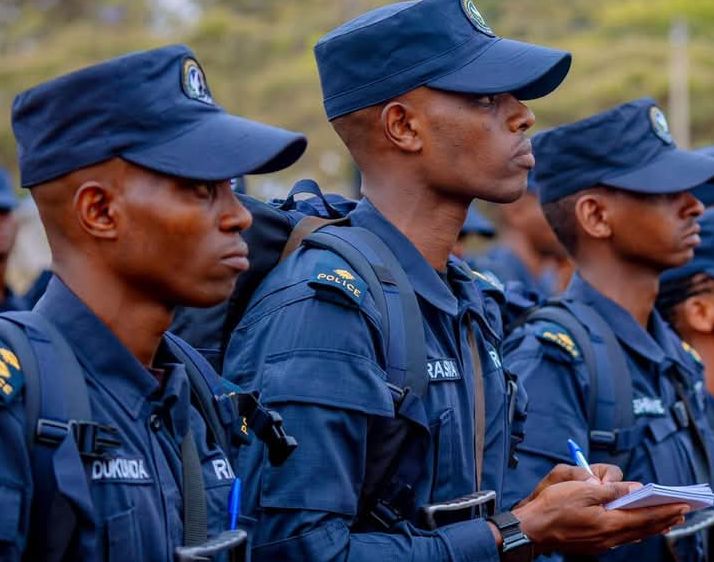
FDRL members have asked the DRC government not to send them to Rwanda if the agreement to disarm and destroy is implemented. The sick
Read full story here 👇👇👇👇
 NSANZIMANA SylverAugust 21, 20263 min read0 Comments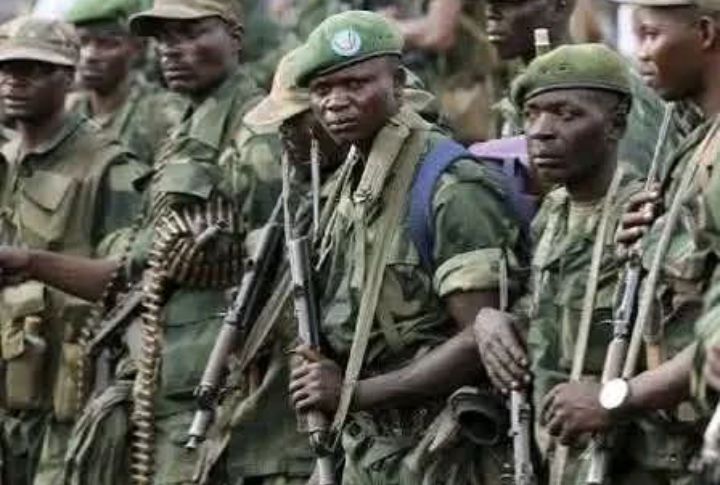
Share
FDRL members have asked the DRC government not to send them to Rwanda if the agreement to disarm and destroy is implemented.
The sick
It is reported that FDLR fighters who will be disarmed but refuse to return to Rwanda will be relocated to one or more African countries. The name of the country has not yet been announced as it is still a secret. This follows talks between the DRC and the FDLR on a voluntary disarmament.
Under the agreement, the DRC government agreed to house FDLR fighters in special camps, disarm them, and help them return to normal life. But Rwanda has denounced the agreement, saying it is not in line with Washington's commitment to regional peace.
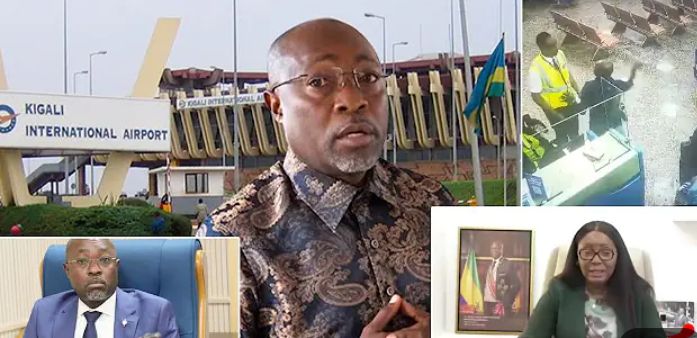
In July 2025, the DRC's Minister for Regional Cooperation, Floribert Anzuluni, confirmed that talks were underway with African countries that had agreed to accept FDLR fighters who refused to return home. He said that talks were ongoing with other countries.
The ICG, a group of European Union, United States, France and other friendly countries, called on the DRC to adhere to the Washington agreement: namely, the *total destruction of the FDLR* and not just the transfer of fighters. The ICG also called on the DRC to establish a concrete plan and timetable, as well as to bring to justice leaders or fighters suspected of serious crimes.
After the 1994 Genocide against the Tutsi, some members of the Ex-FAR, Interahamwe, and genocide planners fled to Zaire. In 2000, they founded the FDLR. The US Treasury Department says the group is suspected of killing civilians, kidnapping, using children in war, and committing ethnic-based crimes, and its leaders should be held accountable.
Analysts say the FDLR's problem is not just weapons. Even if it is disarmed, its genocide ideology, networks and financial resources may remain. UN reports indicate that the FDLR collaborates with the APCLS, Nyatura and CMC groups, and sometimes with the FARDC or the Wazalendo Alliance.
The US says the FDLR derives its income from illegal mining, kidnapping, looting and charcoal production in the forests. If these channels are not closed, the group could resume operations and be relocated to another country.
The greatest danger would be to accept the FDLR fighters and retain their leaders and structure. They could continue their activities to destabilize Rwanda or spread their divisive ideology through social media and support groups. This would turn the problem from “former Rwandan fighters” into an internal problem of the country that hosted them.
UN reports show the FDLR collaborating with the DRC army and the Wazalendo groups at various times. On the other hand, there are reports that FDLR fighters have been training in Burundi, and that the authorities there have said that the group is not a problem. This raises concerns that relocating the FDLR would be spreading genocide ideology.
The UN principles on DDR require that you not only demobilize fighters, but also disarm them, cut off their sources of income, bring to justice those suspected of serious crimes, and help them reintegrate into civilian life alongside the population. In Rwanda, more than 12,000 people who fled the DRC forests have returned home, under the care of the RDRC, some of whom have changed their minds and are now working for the development of the country.
In summary: Relocating FDLR fighters to another country without being followed by disarming them, confiscating their funds, prosecuting their crimes, and destroying their ideology may be a short-term solution but will introduce a new problem into the region.
Tuganire newsroom
Related articles
Related articles
Share articles
NSANZIMANA Sylver
Author