
The DRC asked Togo and Congo Brazzaville to help it eradicate the FDRL.
 NSANZIMANA SylverOct 2, 20264 min read
Share
The DRC asked Togo and Congo Brazzaville to help it eradicate the FDRL.
As the Washington Accords pressure Kinshasa to eliminate the FDLR, the government of President Félix Tshisekedi has launched a new diplomatic campaign in Africa to explain its plan to encourage the FDLR to voluntarily disarm, although Kigali continues to see the plan as a political stunt.
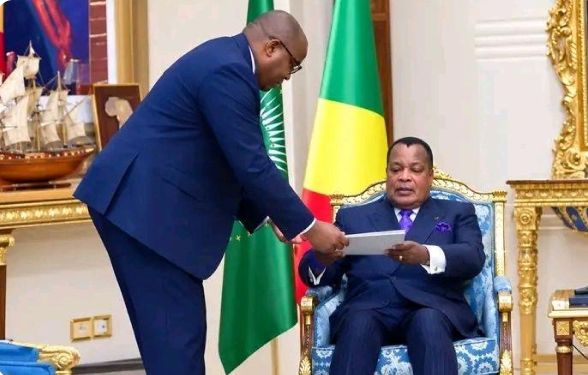
A delegation from the Democratic Republic of Congo, led by the Minister for Regional Integration, Floribert Anzuluni, briefed the leaders of Togo, Angola and Congo on the progress made in the voluntary disarmament of FDLR fighters, in a bid to seek the support of these countries in this process.Floribert Anzuluni, as Special Envoy of President Félix Tshisekedi, was accompanied by Sumbu Sita Mambu, Special Envoy of the President of the Democratic Republic of Congo.
On Tuesday, September 29, the group was received in Lomé by Faure Gnassingbé, President of Togo and the mediator appointed by the African Union in talks aimed at restoring peace in the DRC.
Other meetings took place on Wednesday, September 30, with Angolan President João Lourenço in Luanda and Congolese President Denis Sassou Nguesso in Brazzaville.
The main focus of the discussions was on the disarmament, demobilization, and consolidation of FDLR fighters through mobilization, as the group recently committed to voluntarily.
In Luanda, the delegation delivered a message from President Félix Tshisekedi on the progress made on the path to peace in eastern DRC, according to the Communications Department of the Ministry of Regional Integration.
"The DRC is informing its various partners of the progress made since the order for the voluntary surrender of FDLR members was issued," said Floribert Anzuluni, adding that he had provided guidelines for the next steps.
The Minister reiterated that Kinshasa is committed to honoring the agreements it signed with Rwanda with the support of the United States, but added that it needs regional support to find a lasting solution.
This action took place after disagreements between Kinshasa and Kigali regarding the implementation of the Washington Agreement, which specifically calls for the complete eradication of the FDLR and the dismantling of Rwanda's security measures.
Rwanda disagrees with the DRC on the agreement it reached with the FDLR because it claims that it is not in line with the Washington Agreement. Kinshasa supports the plan, which it sees as a way to permanently stop the FDLR and eliminate what it calls Rwanda's pretext. To date, no FDLR fighter has been handed over to Rwanda since the disarmament agreement was signed.
History of the FDLR - Origins: The FDLR was formed in 2000 from the ALIR and ALIR II groups, composed mainly of Habyarimana's army (Ex-FAR) and Interahamwe soldiers who fled Rwanda in July 1994 after the Genocide against the Tutsi. They first established themselves in Zaire, which was then under the rule of Mobutu.
Its name is Democratic Forces for the Liberation of Rwanda and its aim is to overthrow the Kigali government. During its 25 years in Kivu, it has been accused of killing civilians, raping them, and illegally mining precious minerals in the Masisi, Rutshuru, and Lubero districts.
The FDLR has been the cause or pretext for all the wars Rwanda has waged in Congo since 1996. The Congolese government has often used it as a partner in the fight against M23, while the United Nations has listed it as a terrorist organization, with its leaders like Ignace Murwanashyaka imprisoned in Europe.
The 2014 Luanda Accords gave the FDLR six months to disarm, but it refused. The FARDC and RDF's Operation Umoja Wetu and Kimia II failed to completely disarm it. The promise of the Washington Accord 2026 is that Kinshasa agreed that if the FDLR did not voluntarily disarm, it would disarm itself militarily, sending its fighters to Rwanda or the Kisangani camp.
As the Washington Accords pressure Kinshasa to eliminate the FDLR, the government of President Félix Tshisekedi has launched a new diplomatic campaign in Africa to explain its plan to encourage the FDLR to voluntarily disarm, although Kigali continues to see the plan as a political stunt.
A delegation from the Democratic Republic of Congo, led by the Minister for Regional Integration, Floribert Anzuluni, briefed the leaders of Togo, Angola and Congo on the progress made in the voluntary disarmament of FDLR fighters, in a bid to seek the support of these countries in this process.
Floribert Anzuluni, as Special Envoy of President Félix Tshisekedi, was accompanied by Sumbu Sita Mambu, Special Envoy of the President of the Democratic Republic of Congo.On Tuesday, September 29, the group was received in Lomé by Faure Gnassingbé, President of Togo and the mediator appointed by the African Union in talks aimed at restoring peace in the DRC.
Other meetings took place on Wednesday, September 30, with Angolan President João Lourenço in Luanda and Congolese President Denis Sassou Nguesso in Brazzaville.
The main focus of the discussions was on the disarmament, demobilization, and consolidation of FDLR fighters through mobilization, as the group recently committed to voluntarily.
In Luanda, the delegation delivered a message from President Félix Tshisekedi on the progress made on the path to peace in eastern DRC, according to the Communications Department of the Ministry of Regional Integration.
"The DRC is informing its various partners of the progress made since the order for the voluntary surrender of FDLR members was issued," said Floribert Anzuluni, adding that he had provided guidelines for the next steps.
The Minister reiterated that Kinshasa is committed to honoring the agreements it signed with Rwanda with the support of the United States, but added that it needs regional support to find a lasting solution.
This action took place after disagreements between Kinshasa and Kigali regarding the implementation of the Washington Agreement, which specifically calls for the complete eradication of the FDLR and the dismantling of Rwanda's security measures.
Rwanda disagrees with the DRC on the agreement it reached with the FDLR because it claims that it is not in line with the Washington Agreement. Kinshasa supports the plan, which it sees as a way to permanently stop the FDLR and eliminate what it calls Rwanda's pretext. To date, no FDLR fighter has been handed over to Rwanda since the disarmament agreement was signed.
History of the FDLR - Origins: The FDLR was formed in 2000 from the ALIR and ALIR II groups, composed mainly of Habyarimana's army (Ex-FAR) and Interahamwe soldiers who fled Rwanda in July 1994 after the Genocide against the Tutsi. They first established themselves in Zaire, which was then under the rule of Mobutu.
Its name is Democratic Forces for the Liberation of Rwanda and its aim is to overthrow the Kigali government. During its 25 years in Kivu, it has been accused of killing civilians, raping them, and illegally mining precious minerals in the Masisi, Rutshuru, and Lubero districts.
The FDLR has been the cause or pretext for all the wars Rwanda has waged in Congo since 1996. The Congolese government has often used it as a partner in the fight against M23, while the United Nations has listed it as a terrorist organization, with its leaders like Ignace Murwanashyaka imprisoned in Europe.
The 2014 Luanda Accords gave the FDLR six months to disarm, but it refused. The FARDC and RDF's Operation Umoja Wetu and Kimia II failed to completely disarm it. The promise of the Washington Accord 2026 is that Kinshasa agreed that if the FDLR did not voluntarily disarm, it would disarm itself militarily, sending its fighters to Rwanda or the Kisangani camp.
Tuganire newsroom
Related articles
Related articles
Politics
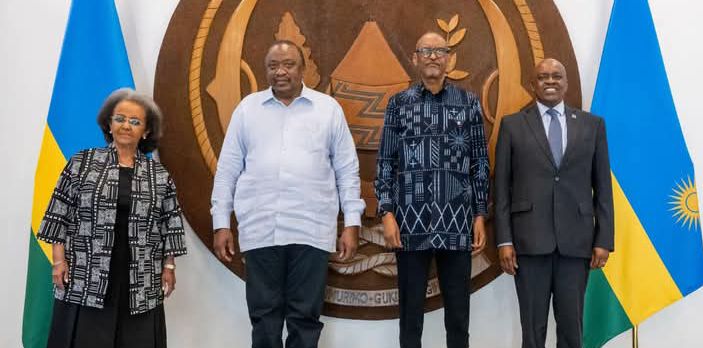
INTUMWA ZA AU I KIGALI: Kagame yakiriye abahuza barimo Uhuru Kenyatta bamaze iminsi muburasirazuba bwa RDC muruzinduko tuganire kugarura amahoro muburasirazuba bwa RDC, ndetse n'umubano hagati ya RDC n' U Rwanda
NSANZIMANA SylverOct 8, 2026
Politics
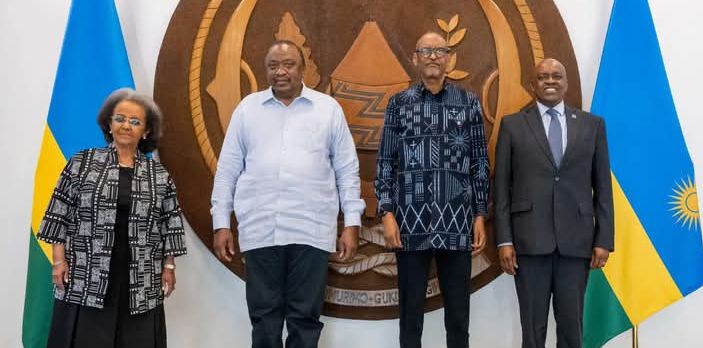
AU ENvoys in Kigali: Kagame received mediators including Uhuru Kenyatta who spent several days in eastern DRC on a visit to discuss restoring peace in eastern DRC, as well as relations between the DRC and Rwanda.
NSANZIMANA SylverOct 8, 2026
Politics
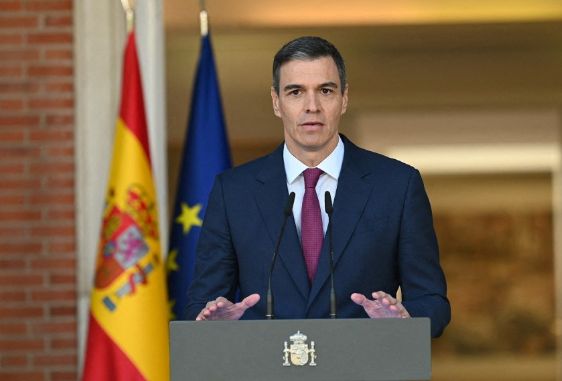
In Spain, Prime Minister Pedro Sánchez is leading the election campaign over the eviction of an 87-year-old woman from her home, as well as the ongoing protests over the high cost of living, including housing.
NSANZIMANA SylverOct 5, 2026
Politics
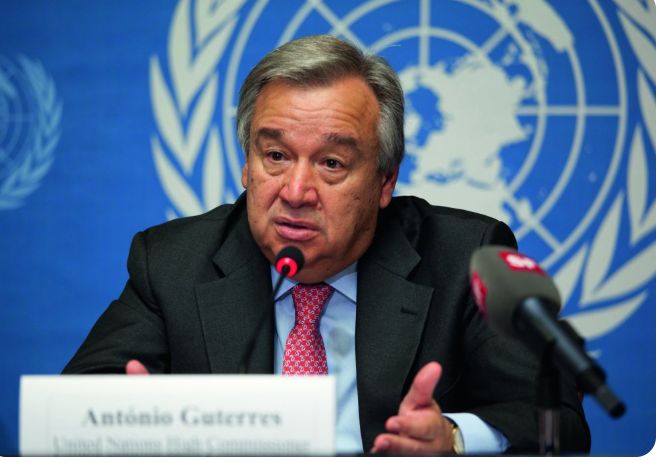
UN Secretary-General Antonio Guterres has released a report detailing the atrocities committed by the FDLR, accusing it of killing, abusing, and looting civilians in eastern DRC.
NSANZIMANA SylverOct 4, 2026
Politics
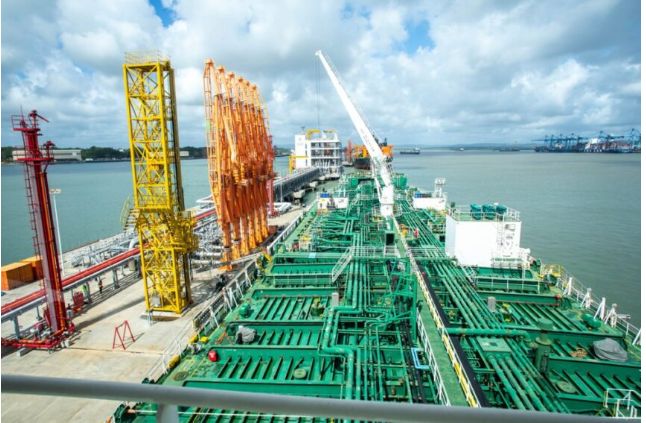
Rwanda and Kenya have officially launched a new system for importing petroleum products through the Port of Mombasa, after the MT Sea Wolf vessel delivered 40,000 tonnes of refined petroleum products to Kipevu Oil Terminal 2.
NSANZIMANA SylverSep 30, 2026
Politics
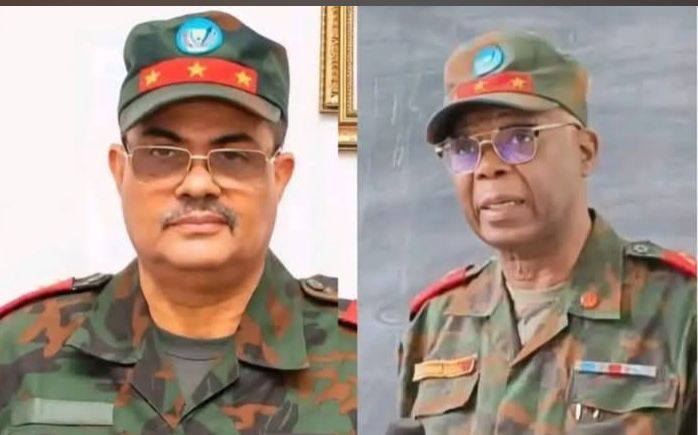
Plane crash kills soldiers and senior officials in Democratic Republic of Congo (DRC
NSANZIMANA SylverSep 28, 2026
Share articles
NSANZIMANA Sylver
Author