
In Spain, Prime Minister Pedro Sánchez is leading the election campaign over the eviction of an 87-year-old woman from her home, as well as the ongoing protests over the high cost of living, including housing.
In Spain, Prime Minister Pedro Sánchez is leading the election campaign over the eviction of an 87-year-old woman from her home, as well as the ongoing protests over the high cost of living, including housing. In a…
 NSANZIMANA SylverOct 5, 20264 min read
Share
In Spain, Prime Minister Pedro Sánchez is leading the election campaign over the eviction of an 87-year-old woman from her home, as well as the ongoing protests over the high cost of living, including housing.
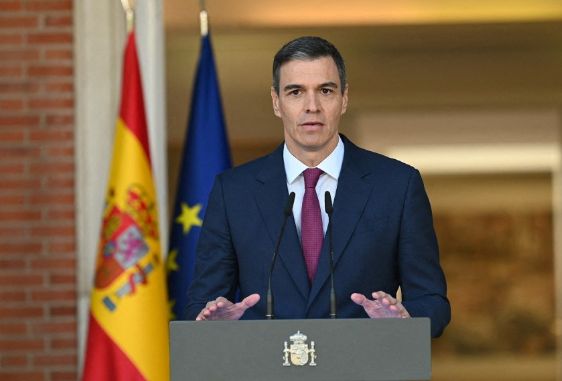
In a surprise move, Spanish Prime Minister Pedro Sánchez has officially announced that the country's general elections will be held on November 29, 2026, ahead of schedule. The dramatic decision comes after a volatile political climate and days of violent protests that have taken over the streets of Madrid, Barcelona and Valencia.
General elections were originally scheduled for the summer of 2027, meaning they have been brought forward by almost a year. Sánchez is said to have done so deliberately to regain the public's trust after repeated defeats in Parliament.
The decision to postpone the elections was announced after Parliament on Friday rejected two bills aimed at resolving housing rent problems, which were the government's last hope to calm public anger.
In an attempt to quell the protests, the government prepared two bills. The first proposed to suspend evictions of indigent tenants until 2030, and to extend leases that would expire before 2028 by two years.
The second also included increasing taxes on Airbnb and giving regions the power to set maximum rental prices. The conservative PP and Vox parties opposed this, saying it violated the rights of landlords.
Sánchez's government, made up of his Socialist Party (PSOE) and the Sumar coalition, does not have a majority in parliament. Every law must be backed by the Catalan and Basque separatist parties, which have challenged him on these bills.
In a televised address to the public on Monday, Sánchez said the Government needed to “reinforce and expand the trust that the people have in it” because the Assembly had refused to listen.
He pointed out that for the desired reforms to be achieved, “public support and a broad majority of those in favor of change” are needed, which can “overcome the obstacles of those with power and vested interests” in the housing market.
This comes as protests have erupted across Spain over the past few days over an 87-year-old woman who was evicted from her home of more than 70 years after failing to pay a steep rent increase. A video of her being evicted has gone viral.
Maricarmen Abascal, 87, has become the face of Spain's housing crisis after she was forcibly evicted from her Madrid apartment on September 23. A legal loophole led her landlord to raise her rent from 500 euros to 2,650 euros per month.
It was later reduced to 1,650 euros, but that still exceeded her monthly pension of 300 euros. The old woman was carried out of the house on a stretcher and then taken to the hospital. Spaniards say it is a sign that the government has abandoned its citizens.
Current Situation in Spain - Housing Crisis:* Spain is in serious trouble. In Madrid, rents have risen 42% in the last 4 years, while wages have only risen 6%. 70% of young people between 18-34 still live with their parents because they cannot afford to rent. 85 million tourists visit Spain every year, and hosts are choosing Airbnb, which pays more.
The state of affairs
The Sánchez government is in a bind. For every project, it has to beg for votes from its opponents. The PP and Vox have majorities in many provinces and are preparing to promise to abolish all laws that protect renters. The November elections will be a real battle between the Socialists and the Conservatives.
Tens of thousands of people protested in cities including Madrid, Valencia and Barcelona on Saturday, demanding better protections for tenants. Tenants' associations say they will not leave the streets until Maricarmen is returned to her home and a new law is put in place.
If Sánchez wins the November 29 election, he will have the majority to stop evictions until 2030. If he loses, Spain could face a severe housing shortage, with thousands of people worried they will become a second Maricarmen.
Tuganire newsroom
Related articles
Related articles

Share articles
NSANZIMANA Sylver
Author