
Vladimir Medinsky, a Russian presidential aide, announced that Russia has handed over the bodies of 1,000 Ukrainian soldiers who died in the war, in exchange for 38 Russian soldiers' bodies. This exchange is part of the Istanbul agreements reached in 2025 between Russia and Ukraine, aiming to facilitate humanitarian exchanges
 NSANZIMANA SylverJan 30, 20263 min read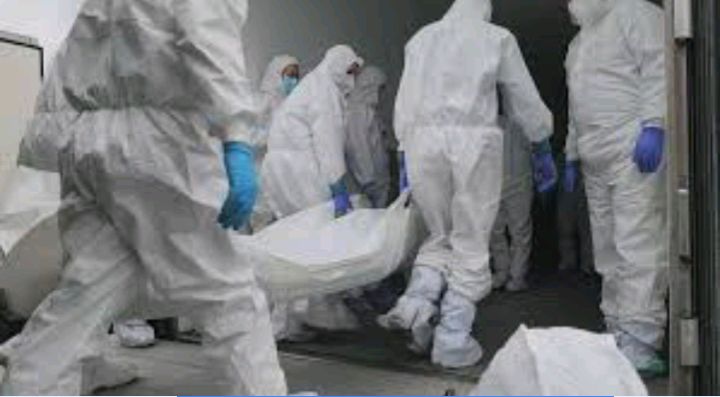
Share
Vladimir Medinsky, a Russian presidential aide, announced that Russia has handed over the bodies of 1,000 Ukrainian soldiers who died in the war, in exchange for 38 Russian soldiers' bodies. This exchange is part of the Istanbul agreements reached in 2025 between Russia and Ukraine, aiming to facilitate humanitarian exchanges 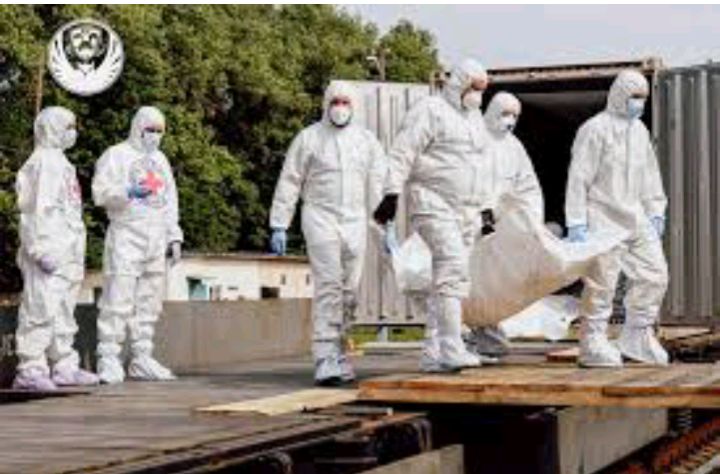 The exchange took place under the framework of these agreements, which include returning bodies of fallen soldiers and prisoners of war. Medinsky stated that this is part of ongoing efforts to address humanitarian issues in the conflict
Russia and Ukraine have been exchanging bodies of soldiers since the start of the war. In December 2025, Russia returned over 11,000 bodies of Ukrainian soldiers, while Ukraine returned 201 Russian soldiers' bodies, according to Sergey Lavrov, Russia's Foreign Minister
The latest exchange comes amid ongoing tensions and diplomatic efforts to end the war. Ukraine's Coordination Headquarters for the Treatment of Prisoners of War confirmed the handover, saying it was part of repatriation events
The conflict between Russia and Ukraine has been ongoing for almost four years, with both sides experiencing significant losses. Diplomatic efforts continue, with upcoming talks scheduled in Abu Dhabi
The conflict between Russia and Ukraine gained independence from the Soviet Union in 1991. Since then, it has faced ongoing pressure and influence from Russia, particularly in the context of its aspirations to align more closely with Western institutions like the European Union (EU) and the North Atlantic Treaty Organization (NATO).
The current phase of the conflict began in 2014 when Russia annexed Crimea following Ukraine's Euromaidan protests and the ousting of pro-Russian President Viktor Yanukovych. The annexation was widely condemned internationally and led to sanctions against Russia. Following this, pro-Russian separatists in eastern Ukraine declared independence from Ukraine, leading to conflicts in the Donetsk and Luhansk regions.
On February 24, 2022, Russia launched a full-scale invasion of Ukraine, marking a significant escalation in the conflict. This invasion was characterized by intense military campaigns across various parts of Ukraine, including Kyiv, Kharkiv, and the Donbas region.
The invasion triggered widespread condemnation from many countries, leading to additional sanctions against Russia and significant military and humanitarian support for Ukraine from the West.
Reliable casualty figures in the conflict are difficult to obtain due to the nature of warfare and propaganda from both sides. As of late 2023, estimates suggest that the number of military personnel killed may be in the hundreds of thousands, though both Russia and Ukraine have had varying reports. Some assessments indicate that Ukrainian military losses could be around 10-15% of their initial force, while Russian casualties may be similarly high.
The war has also led to significant civilian casualties due to bombings, shelling, and other military actions. The United Nations has recorded thousands of civilian deaths, with many more
The exchange took place under the framework of these agreements, which include returning bodies of fallen soldiers and prisoners of war. Medinsky stated that this is part of ongoing efforts to address humanitarian issues in the conflict Russia and Ukraine have been exchanging bodies of soldiers since the start of the war. In December 2025, Russia returned over 11,000 bodies of Ukrainian soldiers, while Ukraine returned 201 Russian soldiers' bodies, according to Sergey Lavrov, Russia's Foreign Minister
The latest exchange comes amid ongoing tensions and diplomatic efforts to end the war. Ukraine's Coordination Headquarters for the Treatment of Prisoners of War confirmed the handover, saying it was part of repatriation events
The conflict between Russia and Ukraine has been ongoing for almost four years, with both sides experiencing significant losses. Diplomatic efforts continue, with upcoming talks scheduled in Abu Dhabi
The conflict between Russia and Ukraine gained independence from the Soviet Union in 1991. Since then, it has faced ongoing pressure and influence from Russia, particularly in the context of its aspirations to align more closely with Western institutions like the European Union (EU) and the North Atlantic Treaty Organization (NATO).
The current phase of the conflict began in 2014 when Russia annexed Crimea following Ukraine's Euromaidan protests and the ousting of pro-Russian President Viktor Yanukovych. The annexation was widely condemned internationally and led to sanctions against Russia. Following this, pro-Russian separatists in eastern Ukraine declared independence from Ukraine, leading to conflicts in the Donetsk and Luhansk regions.
On February 24, 2022, Russia launched a full-scale invasion of Ukraine, marking a significant escalation in the conflict. This invasion was characterized by intense military campaigns across various parts of Ukraine, including Kyiv, Kharkiv, and the Donbas region.
The invasion triggered widespread condemnation from many countries, leading to additional sanctions against Russia and significant military and humanitarian support for Ukraine from the West.
Reliable casualty figures in the conflict are difficult to obtain due to the nature of warfare and propaganda from both sides. As of late 2023, estimates suggest that the number of military personnel killed may be in the hundreds of thousands, though both Russia and Ukraine have had varying reports. Some assessments indicate that Ukrainian military losses could be around 10-15% of their initial force, while Russian casualties may be similarly high.
The war has also led to significant civilian casualties due to bombings, shelling, and other military actions. The United Nations has recorded thousands of civilian deaths, with many more
Tuganire newsroom
Related articles
Related articles
Politics
Robert Kabera uzwi nka Sergeant Robert bivugwa ko yiciwe muri Uganda aciwe umutwe
NSANZIMANA SylverOct 18, 2026
Politics
Robert Kabera, known as Sergeant Robert, is said to have been killed in Uganda by beheading.
NSANZIMANA SylverOct 18, 2026
Politics
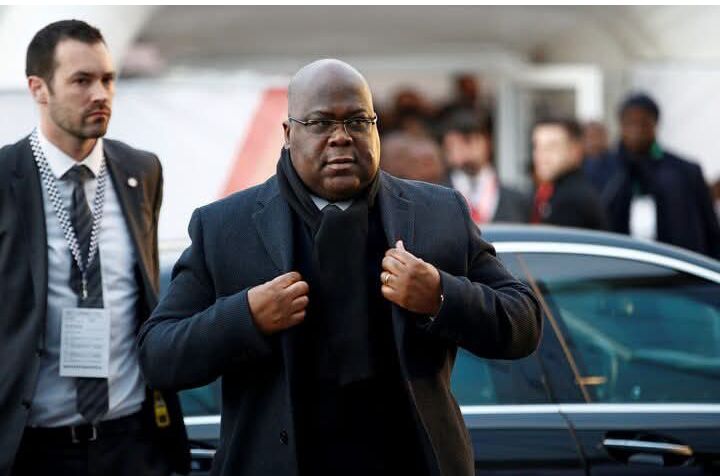
The DRC presidency has severed all relations with the Belgian Embassy in Kinshasa.
NSANZIMANA SylverOct 17, 2026
Politics
Perezidansi ya RDC yaciye imigenderanire yose na Ambasade y'Ububiligi i Kinshasa
NSANZIMANA SylverOct 17, 2026
Politics
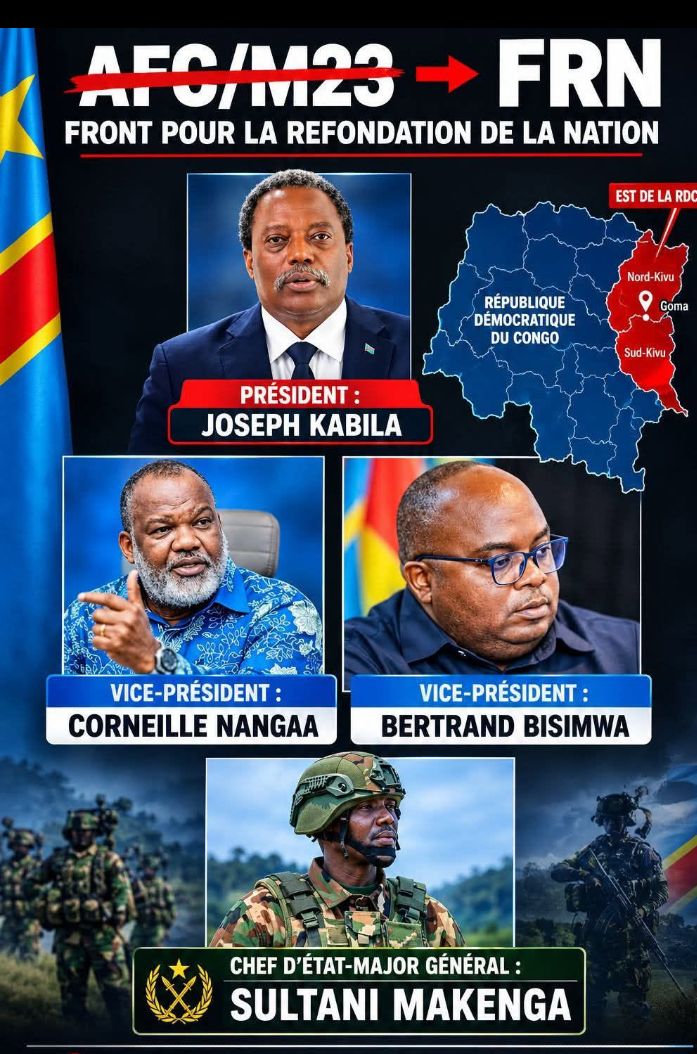
FRN: Umutwe mushya wa Politiki n'Igisirikare ushinzwe na Joseph Kabila n'abayobozi ba AFC/M23 muri RDC
NSANZIMANA SylverOct 17, 2026
Politics
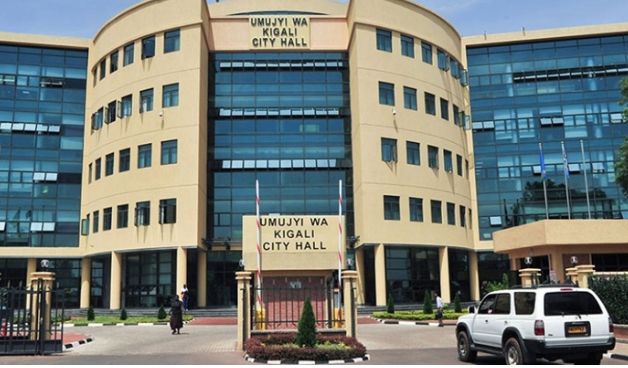
The City of Kigali has been ordered to pay 47 million Rwf to a resident who illegally demolished a building and is still standing.
NSANZIMANA SylverOct 12, 2026
Share articles
NSANZIMANA Sylver
Author