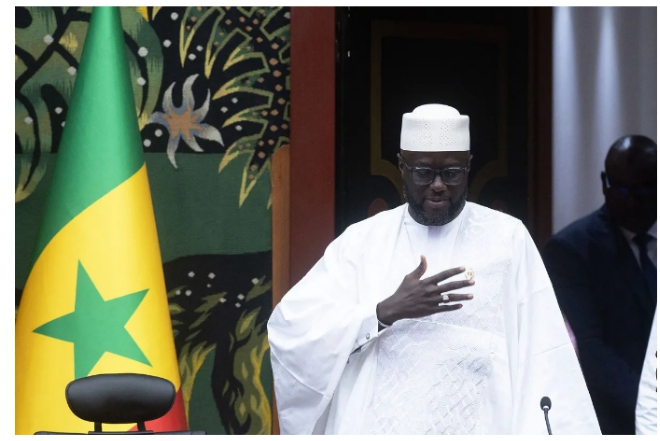
The Speaker of the Senegalese National Assembly, Malick Ndiaye, has officially announced his resignation.
 NSANZIMANA SylverMay 25, 20262 min read
Share
The Speaker of the Senegalese National Assembly, Malick Ndiaye, has officially announced his resignation. He made the announcement in a message posted on the X website on Sunday, saying he made the decision “after deep reflection.” He stressed that he will continue to support democracy and development in Senegal.
Ndiaye's resignation came less than 48 hours after President Bassirou Diomaye Faye dismissed Prime Minister Ousmane Sonko. The move led to the collapse of the government, leaving the National Assembly with the task of electing a new leadership. In his message, Ndiaye said that in times of responsibility to the people and in times of trial, the national interest must come first. He said that prudence and a sense of responsibility led him to decide to resign, so as to avoid tension in the national institutions.
Malick Ndiaye is an old friend of Ousmane Sonko. The two had worked with President Bassirou Diomaye Faye in the PASTEF party before he came to power. However, in recent months, the relationship between Faye and Sonko has deteriorated, which has also affected important positions in the country.
International radio station RFI reported that Ndiaye's resignation could pave the way for Ousmane Sonko to return to politics as Speaker of the National Assembly. The position is the second highest in the executive branch after the President, so it would be a major change.
To return to the position, Sonko must first reclaim his seat as MP, which he won in the 2024 elections. The regular session of the National Assembly is scheduled to discuss the issue on Tuesday of this week. At that time, MPs are also expected to elect a replacement for Malick Ndiaye.
Senegal's parliament plays a key role in standing between the presidency and the people. Ndiaye's resignation highlights how internal political issues can quickly change the political landscape. Analysts say a decision on Tuesday will determine whether Sonko will return to power, or whether Faye will appoint someone to replace him as head of the parliament.
Tuganire newsroom
Related articles
Related articles

Share articles
NSANZIMANA Sylver
Author