
Anti-immigrant protests continue to grow in South Africa
 NSANZIMANA SylverApr 30, 20263 min read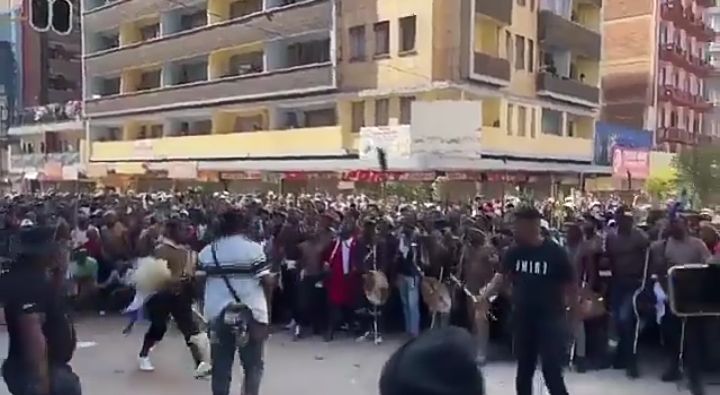
Share
Anti-immigrant protests continue to grow in South Africa
Protests have been taking place in various South African cities since early April 2026, after citizens took to the streets to protest the continued illegal entry of foreigners into the country. Protesters accuse the government of lax border controls and immigration, saying this has increased unemployment and crime in the country.
It started in small towns but has now spread to big cities like Pretoria and Johannesburg, where life has come to a standstill: schools, shops and roads are closed. The protesters are from groups like ‘March and March’ and ‘Operation Dudula’, as well as members of parties like ActionSA and the Patriotic Alliance. Although they say they demand that anyone living in South Africa must have the necessary documents to do so, some have been accused of carrying out hate crimes against fellow Africans.
Protesters blame immigrants for causing unemployment, as some citizens have lost their jobs. They say illegal immigration has increased crime and gang activity, and unemployment has reached 33%. This comes at a time when unemployment in South Africa has been high for some time, especially among the youth.
Ghanaian properties were targeted in the protests, prompting the South African ambassador to Ghana to be summoned for an explanation. Embassies from other countries also issued statements urging their citizens to avoid public gatherings and to remain in safe areas. This highlighted how the protests could disrupt diplomatic relations between South Africa and other African countries.
United Nations Secretary-General Antonio Guterres has urged South Africans to stop targeting foreigners, saying they are akin to the actions taken during apartheid rule. He warned that targeting immigrants could fuel divisions and undermine African unity.
South Africa is home to an estimated three million illegal immigrants, mostly from Mozambique, Zimbabwe, Lesotho, Nigeria and Ghana. Many come to seek work in agriculture, mining and trade, but their lack of legal documents means they work illegally and are often used as tools for economic and security problems.
The issue continues to highlight the gap between the country’s weak economy and high unemployment, where citizens feel that immigrants are taking away their opportunities. Analysts say the solution lies in creating more jobs and improving immigration policies rather than treating immigrants as criminals. As long as the economy is stagnant and jobs are scarce, such protests will continue to occur, and could affect South Africa’s relations with other countries in the region.
Tuganire newsroom
Related articles
Related articles
Politics
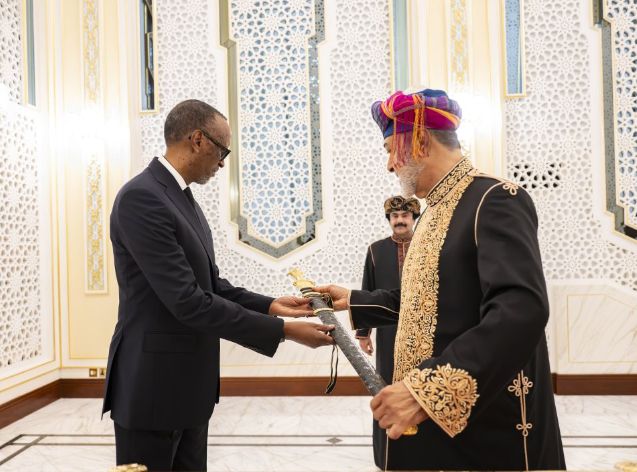
Here are some important things to know about President Paul Kagame's visit to Oman.
NSANZIMANA SylverSep 10, 2026
Politics
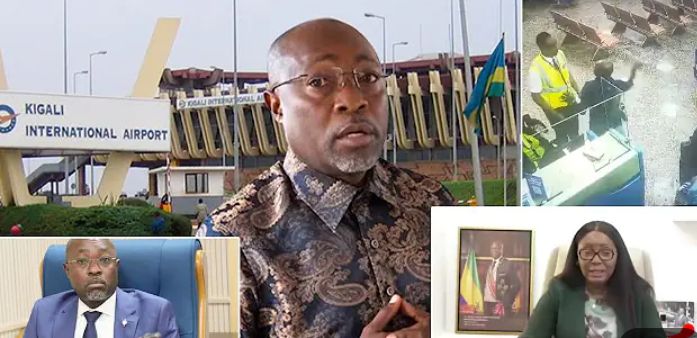
Here's what happened when a Gabonese MP who was imprisoned for allegedly punching a Rwanda Air employee in the face at Kigali's Kanombe airport was released. Here's what both Rwanda and Gabon discussed on the issue.
NSANZIMANA SylverSep 10, 2026
Politics
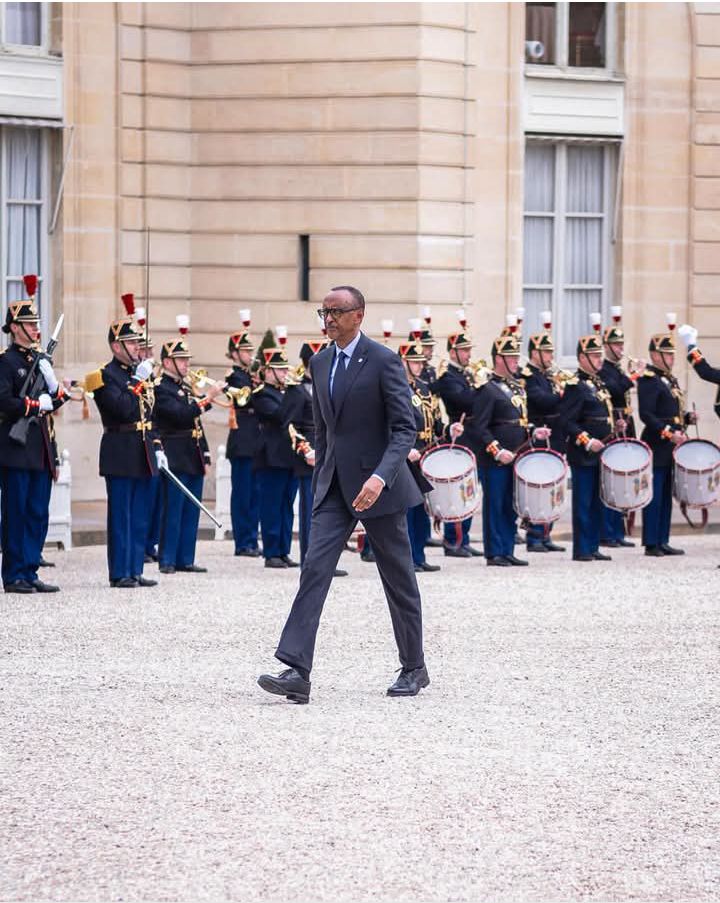
President Paul Kagame attended a meeting in Paris, France on September 9, 2026, where he joined heads of state, heads of government, and key institutions in launching the International Space Conference. The conference, organized in partnership with France and Germany, aims to set a global vision for the use of space over the next 20 years.
NSANZIMANA SylverSep 10, 2026
Politics
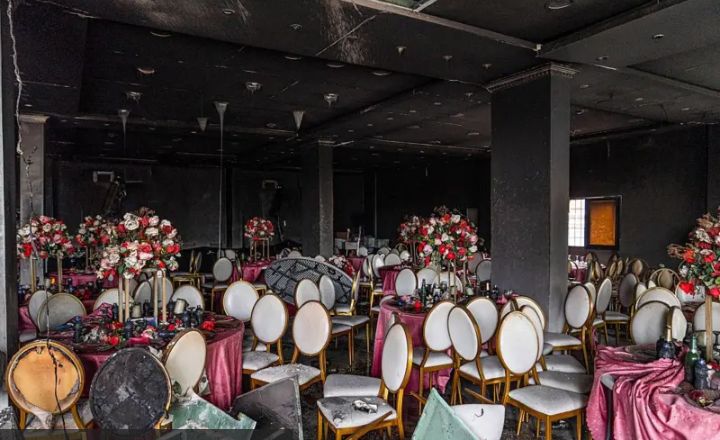
At least 22 people have been confirmed dead after a fire broke out at a wedding venue in the DRC.
NSANZIMANA SylverSep 6, 2026
Politics
FDRL members have asked the DRC government not to send them to Rwanda if the agreement to disarm and destroy is implemented. The sick
NSANZIMANA SylverAug 21, 2026
Politics
President Kagame chaired a meeting of the RPF Politburo
NSANZIMANA SylverJul 18, 2026
Share articles
NSANZIMANA Sylver
Author