
Iran and America clash over the Strait of Hormuz, oil prices rise
 NSANZIMANA SylverApr 30, 20262 min read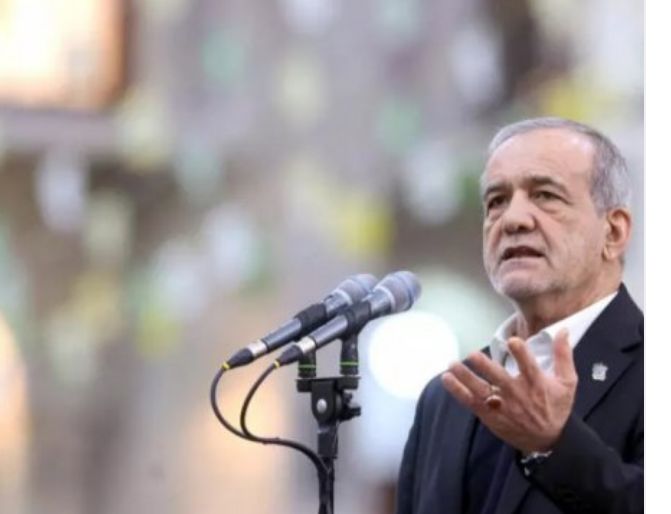
Share
Iran and America clash over the Strait of Hormuz, oil prices rise
Iranian President Masoud Pezeshkian has said that the US plan led by President Donald Trump to control or close Iran's sea lanes, especially the Strait of Hormuz, is against international law and leads to an impossible victory. He said Iran will not allow its ports to be controlled by external forces and will continue to defend its sovereignty and rights in international trade.
President Trump has said the United States may continue or expand its blockade of Iranian ports and controls in an effort to pressure Iran to curb its nuclear weapons-related activities. The United States is also using strong economic pressure, including freezing Iranian assets and cutting off its access to resources. The program has already frozen nearly $500 million in cryptocurrencies and other assets in international banks, totaling more than $1 billion.
The decision immediately affected international markets, with oil prices rising by almost 5% to $125 per barrel, a level not seen in four years. The Strait of Hormuz is a waterway through which about 20% of the world's oil passes, so any pressure on it has a direct impact on the global economy.
On April 30, 2026, the US Congress is debating new potential attacks on Iranian infrastructure, including the use of ground forces, measures to control the Strait of Hormuz and continued economic sanctions. This has increased fears that the conflict between Washington and Tehran could escalate into a military conflict.
Russian President Vladimir Putin has warned that the escalation of this economic war and military pressure could have serious consequences for global security and international trade. Russia is among the countries that have military and economic ties with Iran, and therefore has an interest in thwarting US sanctions.
Talks between Washington and Tehran remain fruitless, raising concerns that the conflict could disrupt global energy markets. Analysts say that as long as the Strait of Hormuz is not secure, the global economy will be shaken by rising energy prices, which will lead to higher international prices for food and other goods.
Tuganire newsroom
Related articles
Related articles
Politics
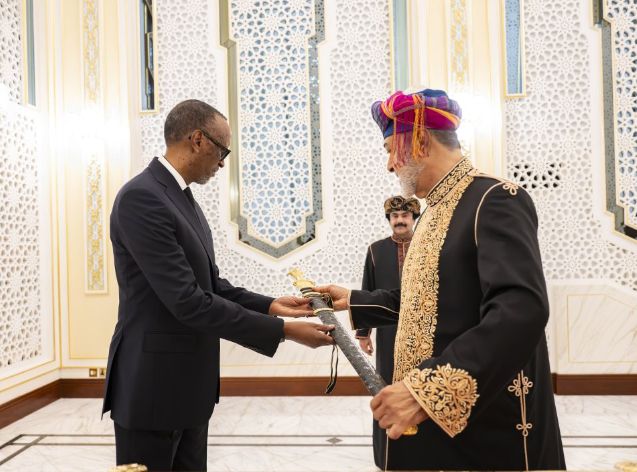
Here are some important things to know about President Paul Kagame's visit to Oman.
NSANZIMANA SylverSep 10, 2026
Politics
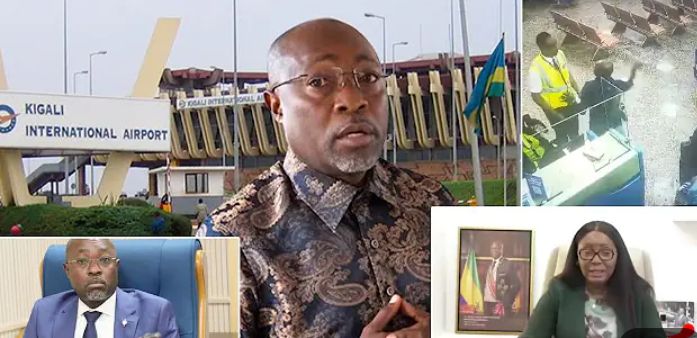
Here's what happened when a Gabonese MP who was imprisoned for allegedly punching a Rwanda Air employee in the face at Kigali's Kanombe airport was released. Here's what both Rwanda and Gabon discussed on the issue.
NSANZIMANA SylverSep 10, 2026
Politics
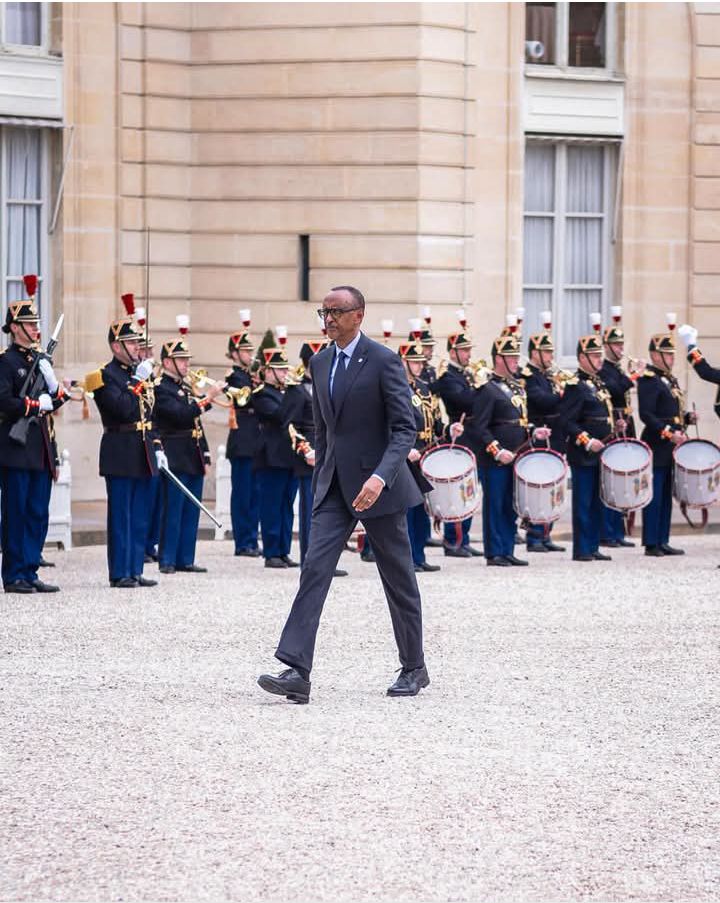
President Paul Kagame attended a meeting in Paris, France on September 9, 2026, where he joined heads of state, heads of government, and key institutions in launching the International Space Conference. The conference, organized in partnership with France and Germany, aims to set a global vision for the use of space over the next 20 years.
NSANZIMANA SylverSep 10, 2026
Politics
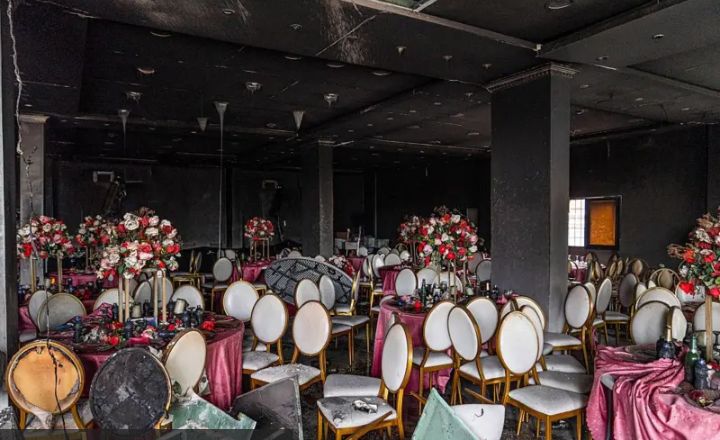
At least 22 people have been confirmed dead after a fire broke out at a wedding venue in the DRC.
NSANZIMANA SylverSep 6, 2026

Politics
FDRL members have asked the DRC government not to send them to Rwanda if the agreement to disarm and destroy is implemented. The sick
NSANZIMANA SylverAug 21, 2026
Politics
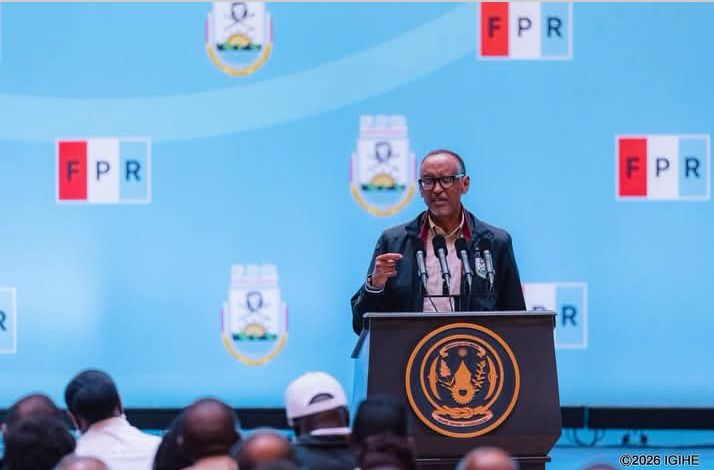
President Kagame chaired a meeting of the RPF Politburo
NSANZIMANA SylverJul 18, 2026
Share articles
NSANZIMANA Sylver
Author