
DRC creates military units called "Mining Guard" to protect mineral mines
 NSANZIMANA SylverApr 27, 20262 min read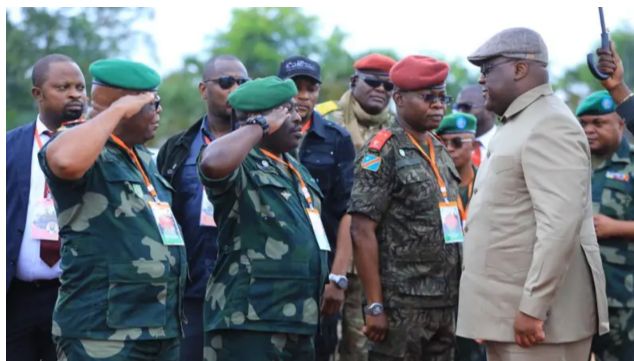
Share
DRC creates military units called "Mining Guard" to protect mineral mines
The Democratic Republic of Congo (DRC) has announced a new plan to reform and strengthen security in the mining sector, creating a special military unit called the “Mining Guard.” The unit, created in collaboration with government agencies, is the brainchild of President Félix Tshisekedi to prevent mismanagement and theft of minerals and increase the country’s profits from this resource.
The head of the mining authority, Rafael Kabengele, said that the “Mining Guard” will be responsible for ensuring the security of mines, monitoring compliance with mining laws, and monitoring the flow of minerals from extraction to export. The unit will replace the regular soldiers who were responsible for guarding mines, and will focus on managing the mineral trade in a fair manner.
In the first phase, the “Mining Guard” will start with 2,500-3,000 personnel who will receive military and vocational training before starting work in December 2026. The goal is to have 20,000 people by 2028 who will manage 22 mines in the country. The project has been invested with 100 million dollars, supported by the United States and the Arab Emirates.
The DRC is one of the world's richest countries in natural resources, with coltan, cobalt, gold and other minerals used in modern technology. However, mismanagement, smuggling and wars over minerals have continued to destabilize the economy, especially in the east. For example, the Rubaya mines, which are rich in coltan, are now under the control of the AFC/M23 group.
This unit will also monitor the transportation of minerals from the mining sites to the borders or ports of export, with the aim of preventing unregulated trade and increasing revenue for the state. This is expected to help the DRC realize the true value of its estimated $25 trillion in untapped resources.
While the program is well-intentioned, it still faces significant challenges, including insecurity in the east, where armed groups control key mining areas, and persistent corruption. Moreover, despite the country’s vast natural resource wealth, a large proportion of the population remains in extreme poverty, highlighting the gap between the economy and the people’s livelihoods. The establishment of the “Mining Guard” may be a significant step forward, but real change will depend on the government’s ability to address these challenges and prevent the interests of states and groups with vested interests in this sector.
Tuganire newsroom
Related articles
Related articles
Politics
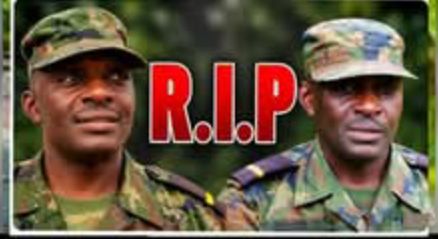
Robert Kabera uzwi nka Sergeant Robert bivugwa ko yiciwe muri Uganda aciwe umutwe
NSANZIMANA SylverOct 18, 2026
Politics
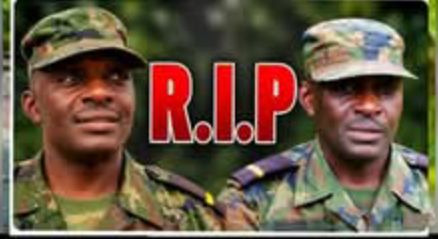
Robert Kabera, known as Sergeant Robert, is said to have been killed in Uganda by beheading.
NSANZIMANA SylverOct 18, 2026
Politics
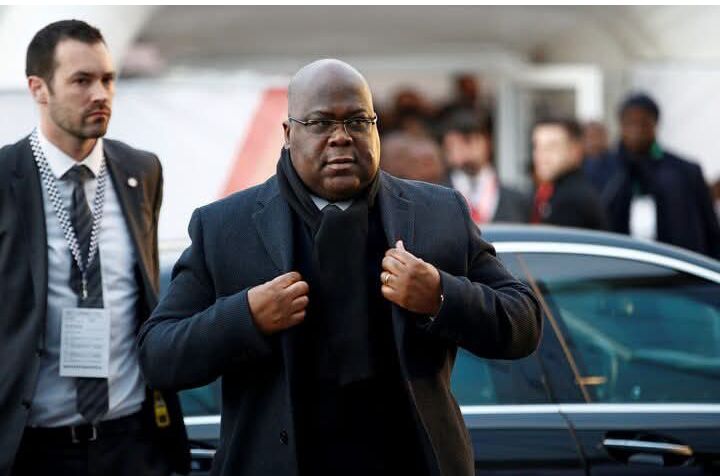
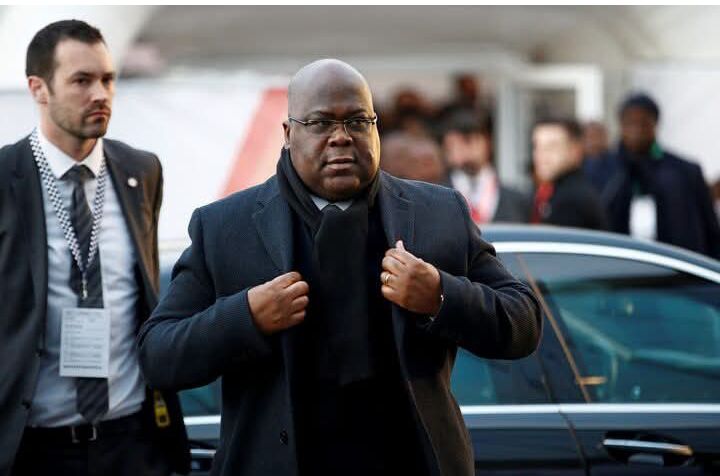
The DRC presidency has severed all relations with the Belgian Embassy in Kinshasa.
NSANZIMANA SylverOct 17, 2026
Politics
Perezidansi ya RDC yaciye imigenderanire yose na Ambasade y'Ububiligi i Kinshasa
NSANZIMANA SylverOct 17, 2026
Politics
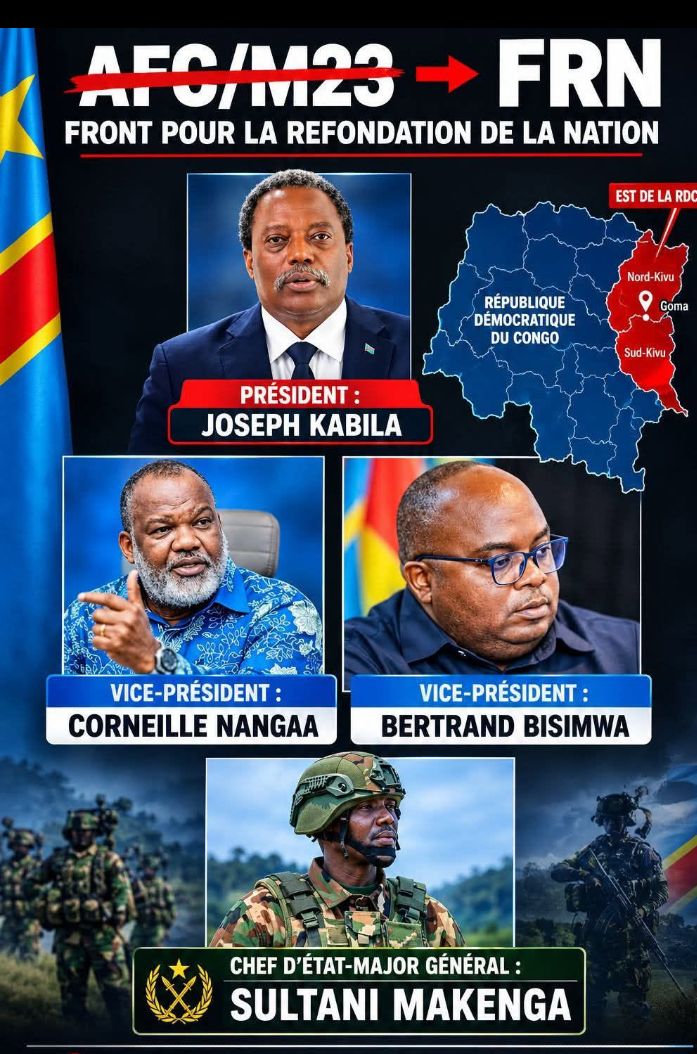
FRN: Umutwe mushya wa Politiki n'Igisirikare ushinzwe na Joseph Kabila n'abayobozi ba AFC/M23 muri RDC
NSANZIMANA SylverOct 17, 2026
Politics
The City of Kigali has been ordered to pay 47 million Rwf to a resident who illegally demolished a building and is still standing.
NSANZIMANA SylverOct 12, 2026
Share articles
NSANZIMANA Sylver
Author