
The Government of Rwanda is in discussions with the Russian nuclear regulatory authority, Rostekhnadzor, with a view to future cooperation
In ( English, kinyarwanda, kiswahili)
 NSANZIMANA SylverFeb 18, 20265 min read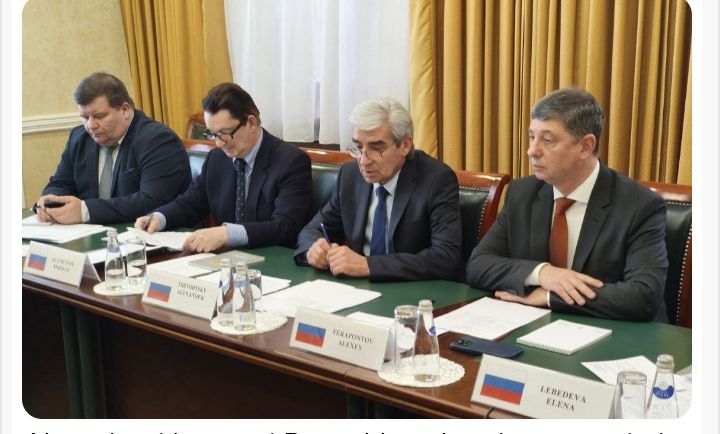
In kinyarwanda
Guverinoma y’u Rwanda iri mu biganiro n’ikigo cy’u Burusiya gishinzwe kugenzura imitunganyirize n’imikoreshereze y’ingufu za nucléaire, Rostekhnadzor, bigamije ubufatanye mu gihe kiri imbere.
Iguhugu cy'Urwanda kiri mu biganiro n'ikigo cy'u Burusiya gishinzwe kugenzura imitunganyirize n’imikoreshereze y’ingufu za nucléaire, Rostekhnadzor, bigamije ubufatanye mu gihe kiri imbere. Ibi biganiro byahuje Ambasaderi w’u Rwanda mu Burusiya, Gen Maj Joseph Nzabamwita, n’Umuyobozi wa Rostekhnadzor, Alexander Trembitsky, i Moscow ku wa 16 Gashyantare 2026. Alexander yasobanuriye Gen Maj Nzabamwita imikorere y’iki kigo, amugaragariza ko cyiteguye gukorana n’u Rwanda mu bugenzuzi bw’imitunganyirize ya nucléaire no mu zindi nzego ziri mu bubasha bwacyo nk’ikoranabuhanga
Rwanda igaragaza ko igihugu gikeneye gutunganya ingufu z’amashanyarazi za megawatt zirenga 3000, zivuye kuri megawatt 447 zihari ubu. Kugira ngo ibyo bishoboke, yafashe icyemezo cyo kubaka inganda nto zitunganya ingufu za nucléaire. Inganda nto zitunganya ingufu za nucléaire zizubakwa mu Rwanda kubera ko ari zo zifite ubushobozi bwo gutunganya ingufu nyinshi, kandi ntizihumanye ikirere cyangwa se ngo zangize ibikukikije ugereranyije n’ingomero z’amashanyarazi zisanzwe.
URwanda kandi ruri mu bikorwa byo gutegura inyigo ya kabiri y’isuzumangaruka, nyuma y’inyigo ya mbere yamaze gukorwa, hemezwa kandi hategurwa aho inganda nto zitunganya ingufu za nucléaire zizubakwa. Minisitiri w’Ibikorwaremezo, Dr. Gasore Jimmy, yavuze ko int ziko ari uko hagati ya 2030 na 2032 twaba dufite uruganda rwa mbere, tukaba twarahisemo gukora inganda nto za nucléaire
In English
The Government of Rwanda is in discussions with the Russian nuclear regulatory authority, Rostekhnadzor, with a view to future cooperation.
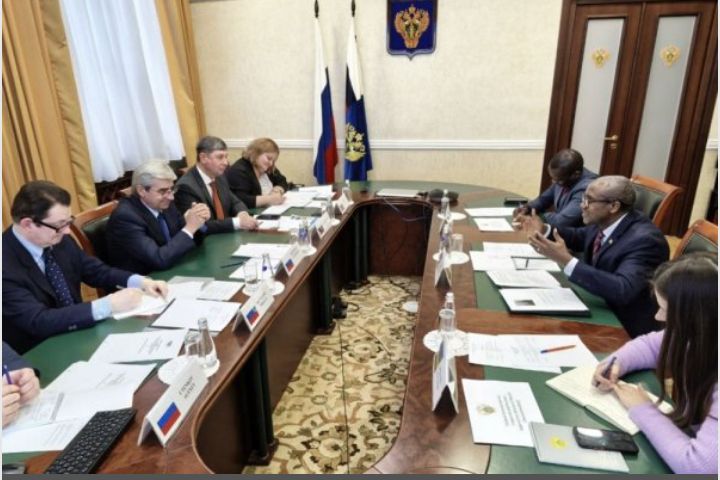
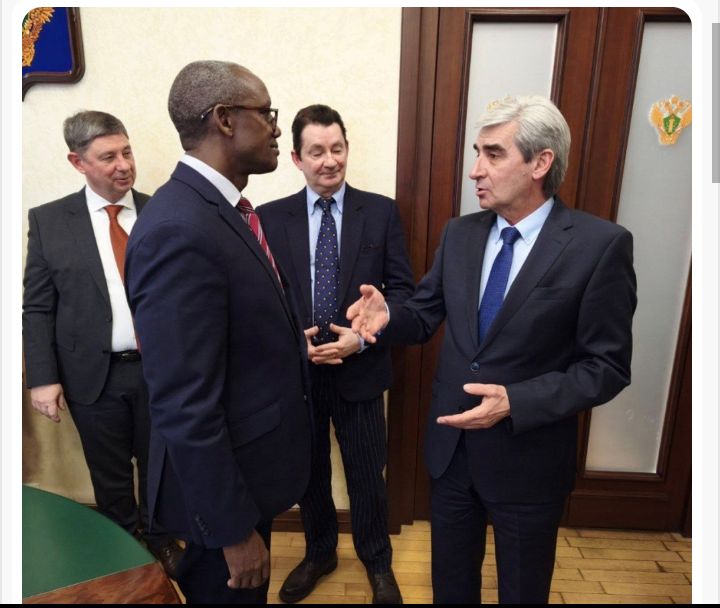
These discussions brought together the Rwandan Ambassador to Russia, Gen Maj Joseph Nzabamwita, and the Head of Rostekhnadzor, Alexander Trembitsky, in Moscow on February 16, 2026.
Alexander explained to Maj Gen Nzabamwita the functioning of this institution, expressing his readiness to work with Rwanda in the supervision of nuclear facilities and in other areas within its jurisdiction such as technology.
The Ambassador thanked Russia and its President, Vladimir Putin, for their support to Rwanda and other African countries, and thanked Rostekhnadzor for its readiness for cooperation.
These discussions resulted in a decision to prepare for a cooperation agreement between Rostekhnadzor and the Rwandan Public Utilities Regulatory Authority, RURA.
The Rwandan government says the country needs to generate more than 3,000 megawatts of electricity, up from the current 447 megawatts. To achieve this, it has decided to build small nuclear power plants.
Small nuclear power plants will be built in Rwanda because they have the capacity to process large amounts of energy, and they do not pollute the air or damage the environment compared to conventional power plants.
In November 2025, the Minister of Infrastructure, Dr. Gasore Jimmy, explained to the Senate that the first study had already been conducted, approved and prepared for the construction of small nuclear power plants, and that a second risk assessment study was currently being conducted.
Minister Gasore said, "The goal is that between 2030 and 2032 we will have our first nuclear power plant, and we have chosen to build small nuclear power plants. The old plants were very large, they produced a lot of heat but they also caused a lot of accidents if they went wrong. The new plants are small, they do not require large areas of land, as you know, our country does not have large areas of land and they do not cause accidents if they go wrong."
The Government of Rwanda is continuing discussions with various partners in the advanced nuclear industry, including Russia, the United States and some European countries.
Katika kiswahili
Serikali ya Rwanda iko katika majadiliano na mamlaka ya udhibiti wa nyuklia ya Urusi, Rostekhnadzor, kwa lengo la ushirikiano wa baadaye. Majadiliano haya yalihusisha Balozi wa Rwanda nchini Urusi, Jenerali Mkuwa Joseph Nzabamwita, na Kiongozi wa Rostekhnadzor, Alexander Trembitsky, mjini Moscow tarehe 16 Februari 2026.
Alexander alielezea kwa Jenerali Mkuwa Nzabamwita jinsi taasisi hii inavyofanya kazi, akionesha tayari kujitolea kushirikiana na Rwanda katika usimamizi wa vituo vya nyuklia na katika maeneo mengine ndani ya mamlaka yake kama vile teknolojia.
Balozi alishukuru Urusi na Rais wake, Vladimir Putin, kwa msaada wao kwa Rwanda na nchi nyingine za Afrika, na akashukuru Rostekhnadzor kwa kwa utayari wao wa ushirikiano.
Majadiliano haya yalisababisha uamuzi wa kuandaa makubaliano ya ushirikiano kati ya Rostekhnadzor na Mamlaka ya Udhibiti wa Huduma za Umma ya Rwanda (RURA).
Serikali ya Rwanda inasema nchi inahitaji kuzalisha zaidi ya megawati 3,000 za umeme, ikitoka kwenye megawati 447 za sasa. Ili kufikia hili, imedhamiria kujenga vituo vidogo vya kuzalisha umeme wa nyuklia.
Mashamba madogo ya nguvu za nyuklia yatajengwa nchini Rwanda kwa sababu yana uwezo wa kuchakata kiasi kikubwa cha nishati na hayana uchafuzi wa hewa au kuharibu mazingira ukilinganisha na mitambo ya umeme ya kawaida.
Mnamo Novemba 2025, Waziri wa Miundombinu, Dr. Gasore Jimmy, aliwaeleza maseneta kwamba utafiti wa kwanza tayari umefanywa, kuidhinishwa na kuandaliwa kwa ajili ya ujenzi wa mashamba madogo ya nguvu za nyuklia, na kwamba utafiti wa pili wa tathmini ya hatari unafanywa kwa sasa.
Waziri Gasore alisema, "Lengo ni kwamba kati ya mwaka 2030 na 2032 tutakuwa na mtambo wetu wa kwanza wa nguvu za nyuklia, na tumechagua kujenga mashamba madogo ya nguvu za nyuklia. Mitambo ya zamani ilikuwa mikubwa, ilitengeneza joto kubwa lakini pia ilisababisha ajali nyingi ikikosea. Mashamba mapya ni madogo, hayahitaji maeneo makubwa ya ardhi, na kama unavyojua, nchi yetu haina maeneo makubwa, na hayasababishi ajali ikikosea."
Serikali ya Rwanda inaendelea na majadiliano na washirika mbalimbali katika sekta ya nyuklia ya kisasa, ikiwemo Urusi, Marekani na baadhi ya nchi za Ulaya.
Related articles
Related articles
NSANZIMANA Sylver
Author