
Top generals Wei Fenghe and Li Shangfu have been sentenced to death with a two-year reprieve for corruption in China.
 NSANZIMANA SylverMay 8, 20263 min read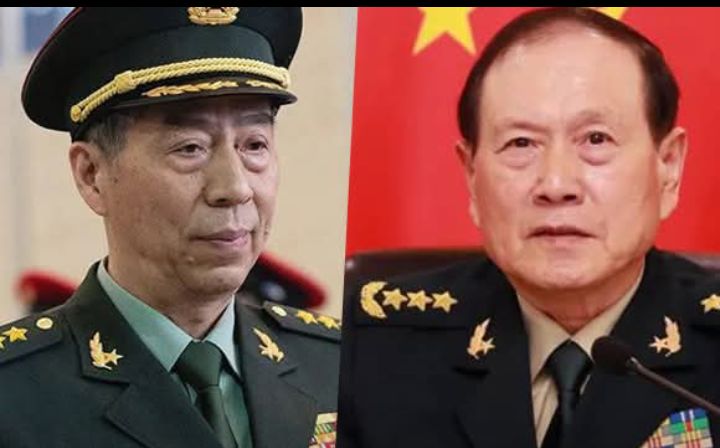
Share
Top generals Wei Fenghe and Li Shangfu have been sentenced to death with a two-year reprieve for corruption in China.
On Thursday, May 7, 2026, China's Supreme Military Court announced that Wei Fenghe and Li Shangfu, both former heads of the Ministry of Defense, were sentenced to death with a two-year suspended sentence. They were found guilty of accepting and giving bribes and failing to fulfill their official duties while in office.
Under Chinese law, the death penalty is suspended for two years, meaning that the convicted person is not executed immediately. Instead, they are given two years of probation in prison, during which time they demonstrate good behavior, do not commit crimes, and perform community service, the death sentence is commuted to life imprisonment. All their assets were also confiscated and they were stripped of their right to participate in politics.
Wei Fenghe led the Ministry of National Defense from 2018 to 2023, and was succeeded by Li Shangfu, who was also removed from the post shortly after. Both were high-ranking officials in China's security apparatus and had significant influence in the military leadership. This makes their case one of the rare cases involving high-ranking military officials.
The news of the arrests has shocked the country, with President Xi Jinping himself publicly saying they were being held for corruption. This is part of Xi's policy of fighting corruption at all levels of the government and military, which has been punishing a number of senior officials, including those in the ruling party's Politburo, for more than a decade.
In China, military corruption is considered a national security issue because it can undermine the military's ability to fight and erode public confidence in the military. Xi Jinping often says the military must be "healthy, transparent and trustworthy," so punishing senior officials is a strong message to all other leaders.
The trial highlights the fact that no one is above the law in China, even if they were once senior military leaders. Analysts say the move is aimed at restoring public trust and improving public confidence in the military, but it also highlights an internal struggle within the Communist Party between Xi's supporters and other senior leaders.
China often uses the death penalty, suspended for two years, as a way to control the behavior of convicts and reduce the actual death penalty. This is in contrast to the immediate death penalty, which is used for more serious crimes such as treason or fraud. The case also highlights the significant changes in the Chinese military’s leadership and financial management since Xi Jinping took power in 2012.
Tuganire newsroom
Related articles
Related articles

Politics
Robert Kabera uzwi nka Sergeant Robert bivugwa ko yiciwe muri Uganda aciwe umutwe
NSANZIMANA SylverOct 18, 2026

Politics
Robert Kabera, known as Sergeant Robert, is said to have been killed in Uganda by beheading.
NSANZIMANA SylverOct 18, 2026
Politics
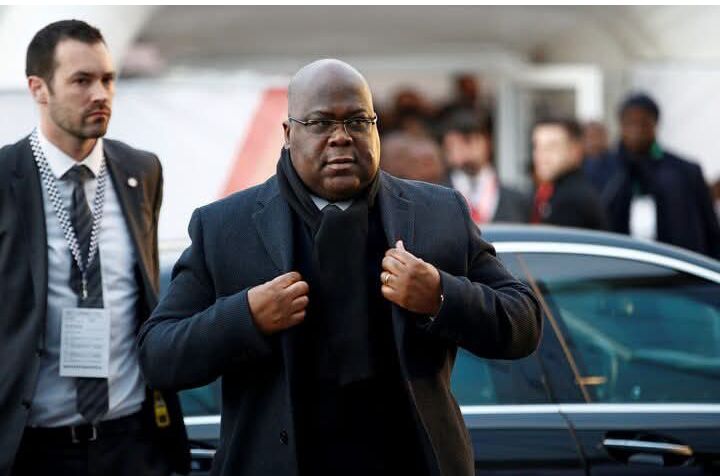
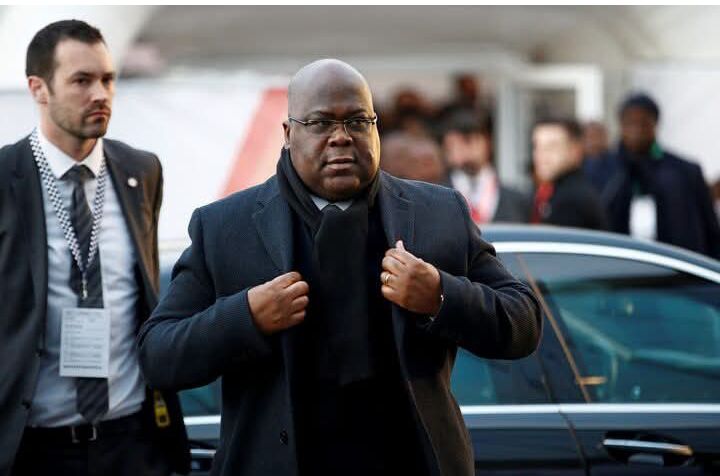
The DRC presidency has severed all relations with the Belgian Embassy in Kinshasa.
NSANZIMANA SylverOct 17, 2026
Politics
Perezidansi ya RDC yaciye imigenderanire yose na Ambasade y'Ububiligi i Kinshasa
NSANZIMANA SylverOct 17, 2026

Politics
FRN: Umutwe mushya wa Politiki n'Igisirikare ushinzwe na Joseph Kabila n'abayobozi ba AFC/M23 muri RDC
NSANZIMANA SylverOct 17, 2026
Politics
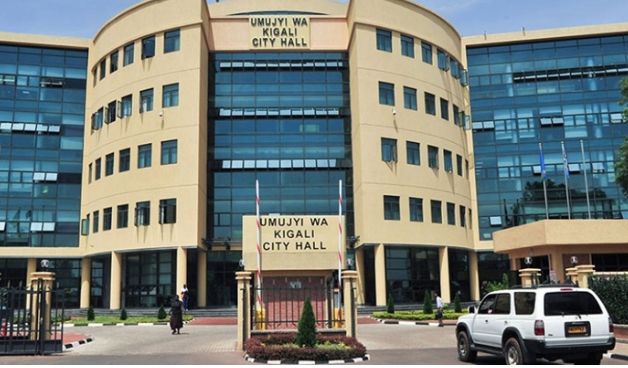
The City of Kigali has been ordered to pay 47 million Rwf to a resident who illegally demolished a building and is still standing.
NSANZIMANA SylverOct 12, 2026
Share articles
NSANZIMANA Sylver
Author