
In DRC kisangani military court hears 84 FARDC soldiers accused of deserting M23
Read all about it below
 NSANZIMANA SylverMay 3, 20262 min read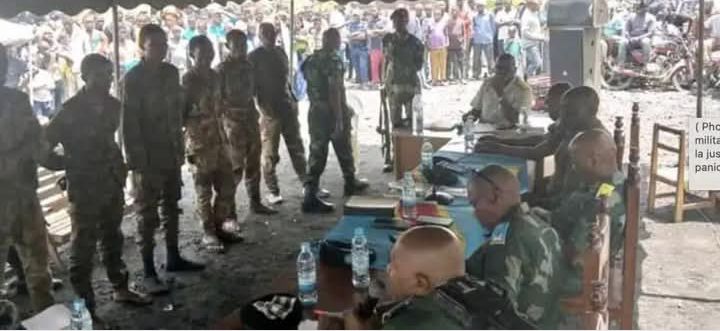
Share
In DRC kisangani military court hears 84 FARDC soldiers accused of deserting M23
Since Tuesday, April 29, 2026, the Kisangani Military Court has begun the trial of 84 soldiers from the Armed Forces of the Democratic Republic of the Congo (FARDC). The soldiers are charged with crimes including desertion, violation of military orders, mutiny, and waste of ammunition while fighting AFC/M23 rebels on the battlefield.
The soldiers were from the 3,415th FARDC battalion operating in Walikale, North Kivu province. Walikale is one of the areas that has long been the scene of conflict between government forces and AFC/M23 rebels, as it is rich in minerals and agricultural resources.
Desertion is a capital offense under Congolese military law. In addition, they are also charged with violating combat orders, mutiny, and waste of ammunition, all of which are considered acts that undermine the strength and credibility of the army on the battlefield.
The AFC/M23 is a rebel group that has been waging a war in eastern DRC for years, particularly in North Kivu. The group has captured key cities such as Goma and Walikale, making it difficult for government forces to fight it. The Kinshasa government accuses Rwanda of supporting the M23, a charge Rwanda denies.
Desertion is a common problem in the FARDC due to lack of equipment, low funding and poor training. This makes the government forces vulnerable to the rebels who are trained and capable of fighting. Such a case illustrates how the DRC government is trying to restore confidence and manage the morale of its soldiers.
In recent months, the DRC government has taken steps to tighten its military justice system, including punishing soldiers suspected of deserting or deserting. This is part of an effort to strengthen military morale and restore public confidence in government forces, as the war continues to claim a large number of civilian lives in the east.
The trial could be the start of further disciplinary measures in the FARDC, but it also highlights the government's shortcomings in dealing with the rebels. Analysts say a lasting solution will come from improving military training, increasing equipment, and addressing the political and economic problems that fuel the conflict in eastern DRC.
Since Tuesday, April 29, 2026, the Kisangani Military Court has begun the trial of 84 soldiers from the Armed Forces of the Democratic Republic of the Congo (FARDC). The soldiers are charged with crimes including desertion, violation of military orders, mutiny, and waste of ammunition while fighting AFC/M23 rebels on the battlefield.
The soldiers were from the 3,415th FARDC battalion operating in Walikale, North Kivu province. Walikale is one of the areas that has long been the scene of conflict between government forces and AFC/M23 rebels, as it is rich in minerals and agricultural resources.
Desertion is a capital offense under Congolese military law. In addition, they are also charged with violating combat orders, mutiny, and waste of ammunition, all of which are considered acts that undermine the strength and credibility of the army on the battlefield.
The AFC/M23 is a rebel group that has been waging a war in eastern DRC for years, particularly in North Kivu. The group has captured key cities such as Goma and Walikale, making it difficult for government forces to fight it. The Kinshasa government accuses Rwanda of supporting the M23, a charge Rwanda denies.
Desertion is a common problem in the FARDC due to lack of equipment, low funding and poor training. This makes the government forces vulnerable to the rebels who are trained and capable of fighting. Such a case illustrates how the DRC government is trying to restore confidence and manage the morale of its soldiers.
In recent months, the DRC government has taken steps to tighten its military justice system, including punishing soldiers suspected of deserting or deserting. This is part of an effort to strengthen military morale and restore public confidence in government forces, as the war continues to claim a large number of civilian lives in the east.
The trial could be the start of further disciplinary measures in the FARDC, but it also highlights the government's shortcomings in dealing with the rebels. Analysts say a lasting solution will come from improving military training, increasing equipment, and addressing the political and economic problems that fuel the conflict in eastern DRC.
Tuganire newsroom
Related articles
Related articles
Politics
INTUMWA ZA AU I KIGALI: Kagame yakiriye abahuza barimo Uhuru Kenyatta bamaze iminsi muburasirazuba bwa RDC muruzinduko tuganire kugarura amahoro muburasirazuba bwa RDC, ndetse n'umubano hagati ya RDC n' U Rwanda
NSANZIMANA SylverOct 8, 2026
Politics
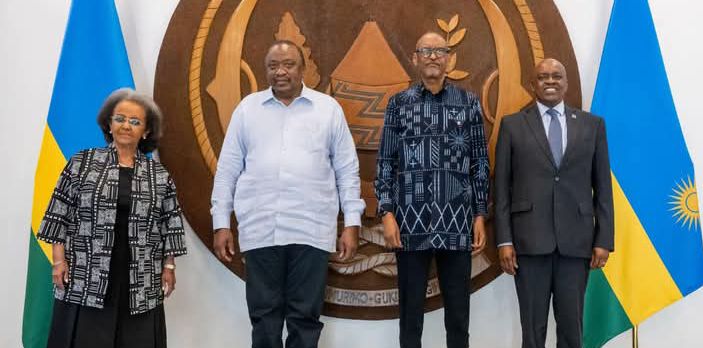
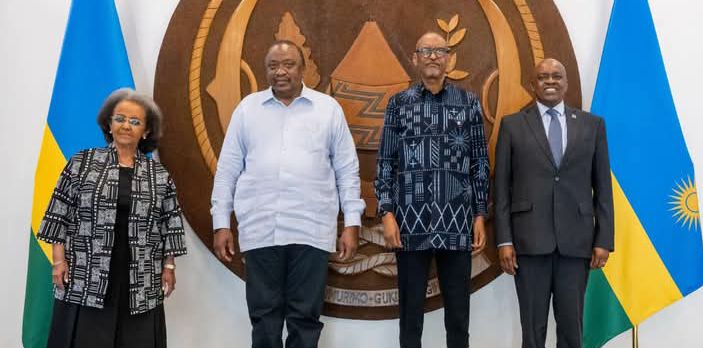
AU ENvoys in Kigali: Kagame received mediators including Uhuru Kenyatta who spent several days in eastern DRC on a visit to discuss restoring peace in eastern DRC, as well as relations between the DRC and Rwanda.
NSANZIMANA SylverOct 8, 2026

Politics
In Spain, Prime Minister Pedro Sánchez is leading the election campaign over the eviction of an 87-year-old woman from her home, as well as the ongoing protests over the high cost of living, including housing.
NSANZIMANA SylverOct 5, 2026
Politics
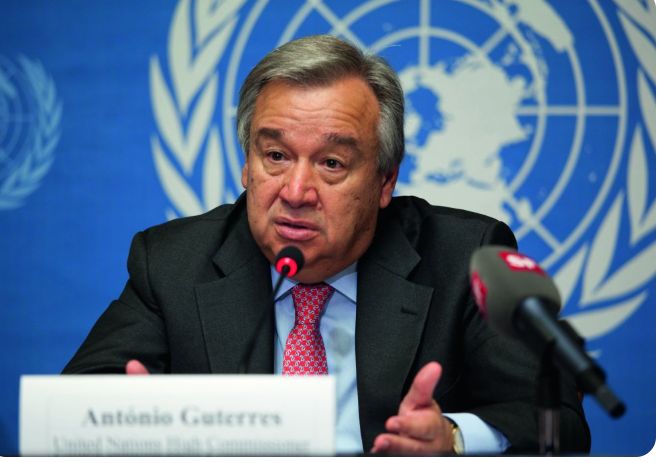
UN Secretary-General Antonio Guterres has released a report detailing the atrocities committed by the FDLR, accusing it of killing, abusing, and looting civilians in eastern DRC.
NSANZIMANA SylverOct 4, 2026
Politics
The DRC asked Togo and Congo Brazzaville to help it eradicate the FDRL.
NSANZIMANA SylverOct 2, 2026

Politics
Rwanda and Kenya have officially launched a new system for importing petroleum products through the Port of Mombasa, after the MT Sea Wolf vessel delivered 40,000 tonnes of refined petroleum products to Kipevu Oil Terminal 2.
NSANZIMANA SylverSep 30, 2026
Share articles
NSANZIMANA Sylver
Author