
The United States has imposed sanctions on Joseph Kabila, who became president of the DRC.
 NSANZIMANA SylverMay 2, 20263 min read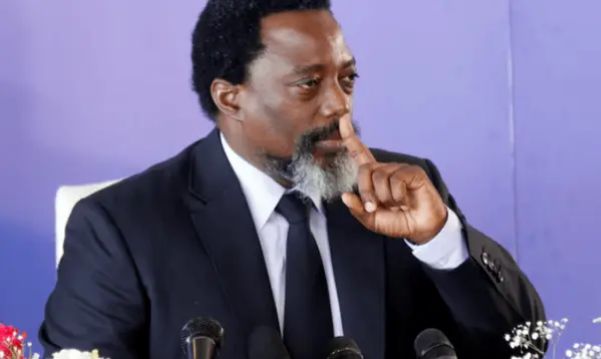
Share
The United States has imposed sanctions on Joseph Kabila, who became president of the DRC.
The United States has imposed sanctions on Joseph Kabila, former President of the Democratic Republic of Congo (DRC), accusing him of supporting the AFC/M23 movement that is fighting against the Kinshasa government. The US Treasury Department announced that it has frozen all of Kabila's assets in the United States and has banned US citizens from doing business with him or companies he controls.
The United States says the decision is part of efforts to restore peace in the DRC and to send a message that anyone who disrupts peace efforts will be held accountable. It says Kabila is supporting the AFC/M23 with the aim of destabilizing Congo and toppling the government. The AFC/M23 is a long-standing rebel group that controls large parts of eastern DRC, particularly North Kivu province.
The DRC government welcomed the sanctions, calling them “another important step in combating impunity” and “respecting the sovereignty” of the country. Government spokesman Patrick Muyaya, through X, thanked the United States for taking a strong decision in support of justice and peace in the DRC.
Last year, a military court in the DRC sentenced Kabila to death in absentia, finding him guilty of treason. Kabila left power in 2019 after 18 years in power, in the first peaceful transfer of power since the country gained independence in 1960. Although he denied aiding the M23, in May 2025 he was seen in the city of Goma, which the AFC/M23 had already captured.
Kabila has so far not commented on the charges against him. He has previously denied all charges, calling them politically motivated. However, his appearance in Goma has heightened the debate over his role in the long-running conflict in eastern DRC.
These sanctions add to the sanctions the United States has already imposed on leaders and supporters of the AFC/M23, including foreign individuals suspected of funding it. The aim is to reduce the group’s capabilities and to pressure any leaders accused of fueling the war. They also reflect the United States’ increasing involvement in the insecurity in eastern DRC, where more than 120 armed groups operate.
The sanctions come as peace talks between Kinshasa and the AFC/M23 continue to fail, and relations between the DRC and Rwanda remain strained by Kinshasa's accusations of Rwanda's support for the M23. Analysts say such sanctions could weaken Kabila's political clout, but that a lasting solution will come from dialogue and a process of establishing a democratic government in eastern DRC.
The United States has imposed sanctions on Joseph Kabila, former President of the Democratic Republic of Congo (DRC), accusing him of supporting the AFC/M23 movement that is fighting against the Kinshasa government. The US Treasury Department announced that it has frozen all of Kabila's assets in the United States and has banned US citizens from doing business with him or companies he controls.
The United States says the decision is part of efforts to restore peace in the DRC and to send a message that anyone who disrupts peace efforts will be held accountable. It says Kabila is supporting the AFC/M23 with the aim of destabilizing Congo and toppling the government. The AFC/M23 is a long-standing rebel group that controls large parts of eastern DRC, particularly North Kivu province.
The DRC government welcomed the sanctions, calling them “another important step in combating impunity” and “respecting the sovereignty” of the country. Government spokesman Patrick Muyaya, through X, thanked the United States for taking a strong decision in support of justice and peace in the DRC.
Last year, a military court in the DRC sentenced Kabila to death in absentia, finding him guilty of treason. Kabila left power in 2019 after 18 years in power, in the first peaceful transfer of power since the country gained independence in 1960. Although he denied aiding the M23, in May 2025 he was seen in the city of Goma, which the AFC/M23 had already captured.
Kabila has so far not commented on the charges against him. He has previously denied all charges, calling them politically motivated. However, his appearance in Goma has heightened the debate over his role in the long-running conflict in eastern DRC.
These sanctions add to the sanctions the United States has already imposed on leaders and supporters of the AFC/M23, including foreign individuals suspected of funding it. The aim is to reduce the group’s capabilities and to pressure any leaders accused of fueling the war. They also reflect the United States’ increasing involvement in the insecurity in eastern DRC, where more than 120 armed groups operate.
The sanctions come as peace talks between Kinshasa and the AFC/M23 continue to fail, and relations between the DRC and Rwanda remain strained by Kinshasa's accusations of Rwanda's support for the M23. Analysts say such sanctions could weaken Kabila's political clout, but that a lasting solution will come from dialogue and a process of establishing a democratic government in eastern DRC.
Tuganire newsroom
Related articles
Related articles
Politics
Robert Kabera uzwi nka Sergeant Robert bivugwa ko yiciwe muri Uganda aciwe umutwe
NSANZIMANA SylverOct 18, 2026
Politics
Robert Kabera, known as Sergeant Robert, is said to have been killed in Uganda by beheading.
NSANZIMANA SylverOct 18, 2026
Politics
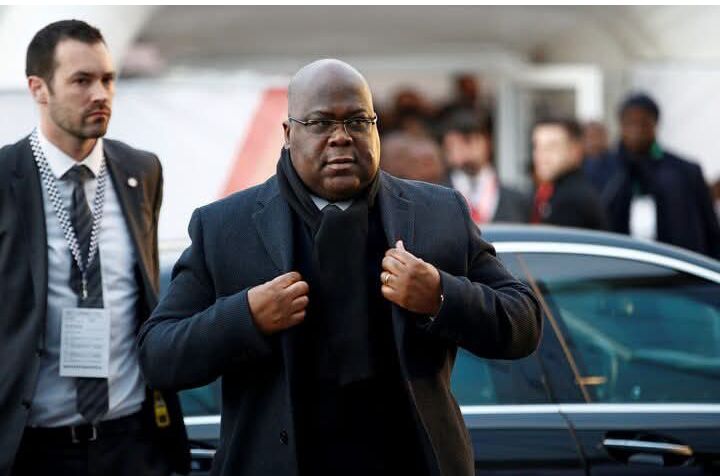
The DRC presidency has severed all relations with the Belgian Embassy in Kinshasa.
NSANZIMANA SylverOct 17, 2026
Politics
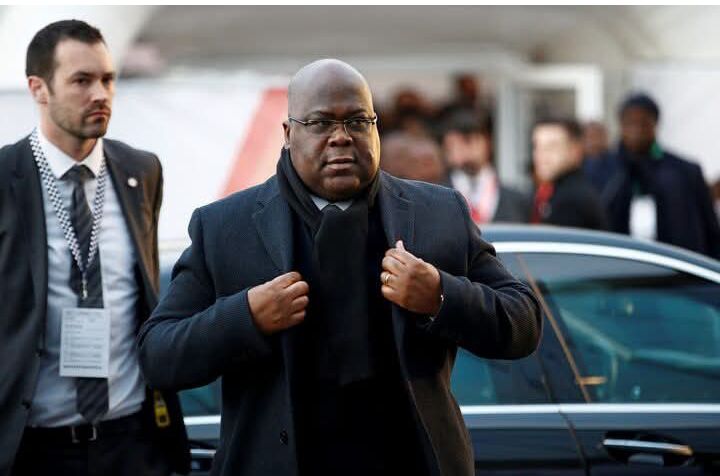
Perezidansi ya RDC yaciye imigenderanire yose na Ambasade y'Ububiligi i Kinshasa
NSANZIMANA SylverOct 17, 2026
Politics
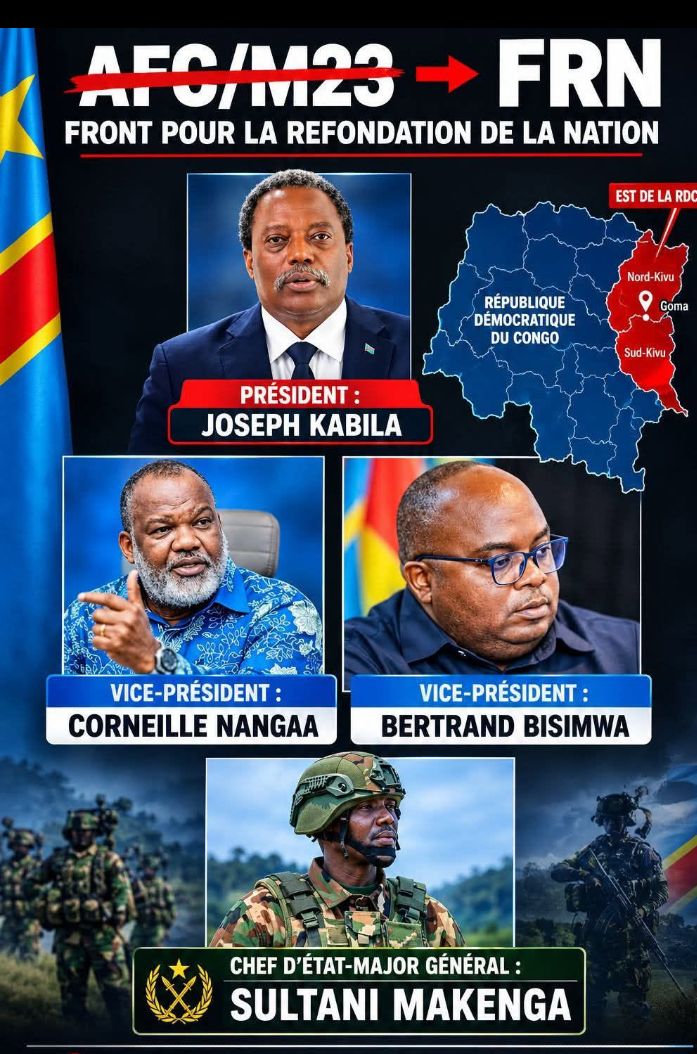
FRN: Umutwe mushya wa Politiki n'Igisirikare ushinzwe na Joseph Kabila n'abayobozi ba AFC/M23 muri RDC
NSANZIMANA SylverOct 17, 2026
Politics
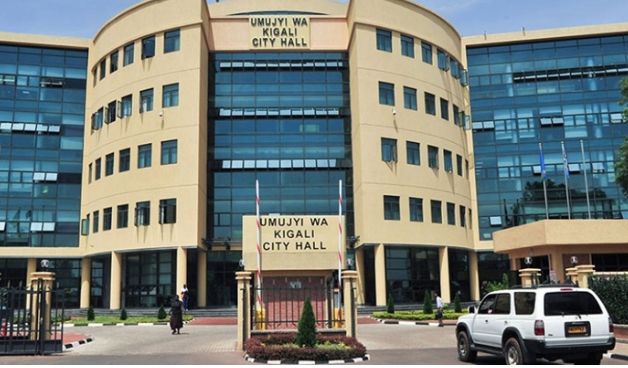
The City of Kigali has been ordered to pay 47 million Rwf to a resident who illegally demolished a building and is still standing.
NSANZIMANA SylverOct 12, 2026
Share articles
NSANZIMANA Sylver
Author