
UEBR Kigali Church commemorates the 1994 Genocide against the Tutsi for the 32nd time, emphasizing the fight against divisionism
 NSANZIMANA SylverMay 11, 20264 min read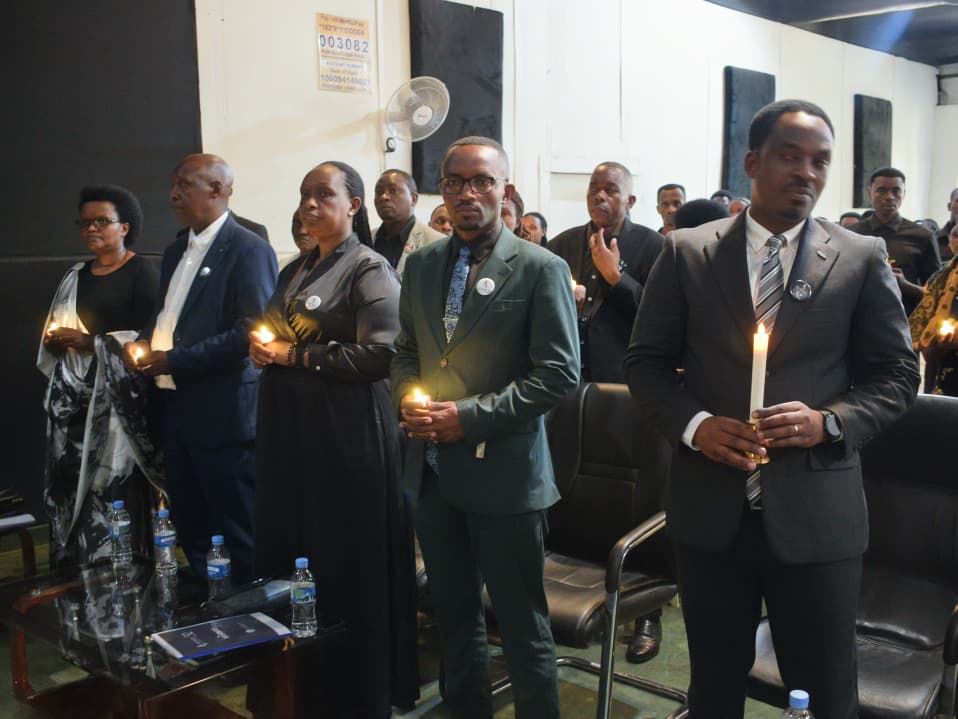
Share
UEBR Kigali Church commemorates the 1994 Genocide against the Tutsi for the 32nd time, emphasizing the fight against divisionism
A memorial service was held in Kigali.On Sunday, May 10, 2026, the Union of Baptist Churches in Rwanda (UEBR) through the Kigali Parish, held a ceremony to commemorate the 32nd Genocide against the Tutsi. It specifically remembered the members of this church who were killed in the Genocide. The ceremony was attended by Christians from this church and others from other churches.
Laying flowers at the memorialBefore the talks, attendees laid flowers at the memorial in Nyarugenge Sector, Rwampala Cell, Kigali City. The memorial houses the bodies of Tutsi who were killed in the area in April 1994, and continues to serve as a symbol of remembrance and respect for the victims of the Genocide.
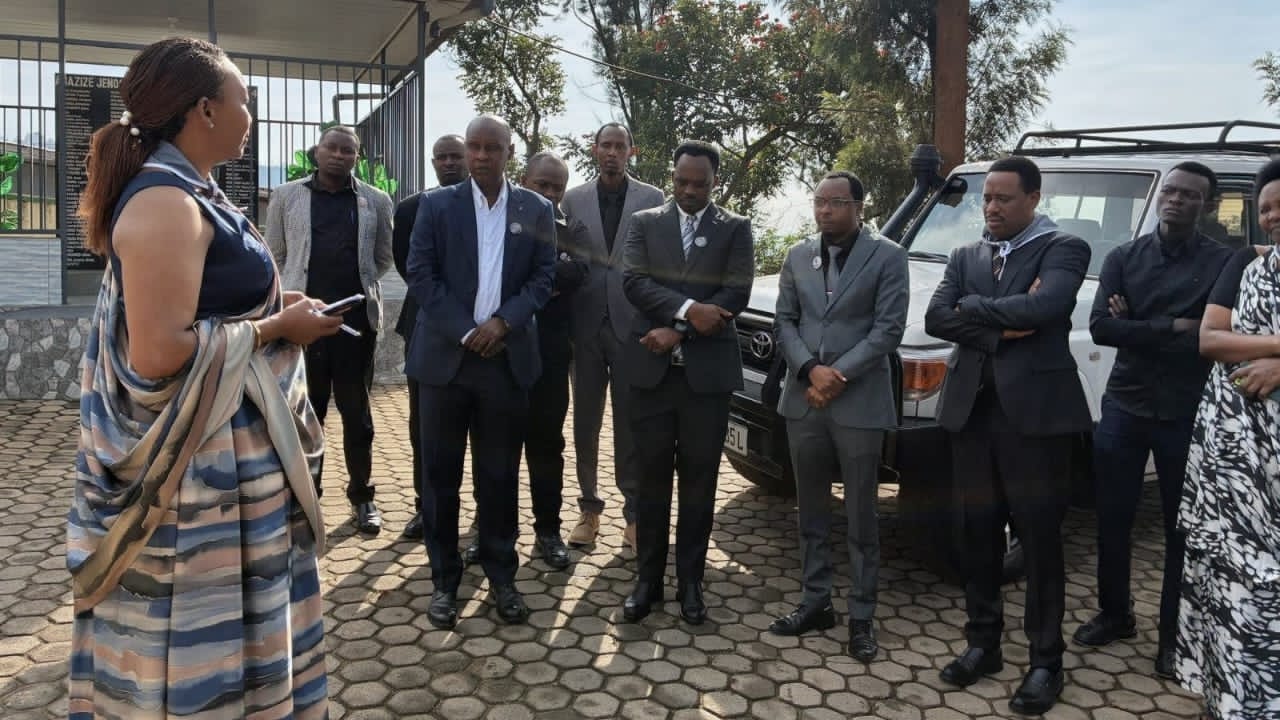 Testimony of Uwamahoro ConstanceIn her testimony, Uwamahoro Constance recounted the difficult journey she went through from 1959, when the persecution of the Tutsi began, until the Genocide against the Tutsi was carried out. She said she survived thanks to the compassion of RPF Inkotanyi soldiers, saying, “They fed me, they gave me milk to drink, I was already saved.”
Thanking the RPF Inkotanyi for its roleUwamahoro thanked the RPF Inkotanyi for coming to take over the country and saving the Tutsi who were being killed, and now Rwanda has built unity and progress. He said, “Today we sit in the same church, shop in the same market, and go to the same hospital without looking at anyone else.” This shows the changes Rwanda has undergone since the genocide.
Kabera Evariste, IBUKA representative in Nyarugenge Sector, urged the youth to use technology and social media to fight those who want to distort history and trivialize the Genocide. He said that the youth will determine the future of Rwanda, and therefore should strive to preserve the truth about the history of the Genocide.
Crime committed by Christians during the GenocideRev. Pastor Murwanashyaka Thomas, Senior Pastor and Spokesperson of UEBR, pointed out that the Genocide was characterized by extreme cruelty, with spouses killing their spouses, those who had made vows being torn apart, pastors killing their Christians or Christians killing pastors. This showed how the ideology of the Genocide had infiltrated churches.
Condemning Christians who participated in the GenocideHe condemned Christians who were born to their fellow Christians under the guise of Christianity, saying it was a sign that religions should not be places where hatred and division are sown. He said religions should be a beacon of unity rather than a tool of hatred.
UEBR's resolution against ideologyRev. Murwanashyaka said that UEBR will continue to fight against division and Genocide ideology, teaching teachings full of unity and Christian values. He said, “We will continue to encourage the Etorero to avoid and fight teachings that belittle the Genocide and sow division.”
The role of religions in building unityUEBR began in 1939 with the aim of fostering unity among its members and working together on common issues. It currently has a program to help Christians heal the wounds of the Genocide through evangelism and development. This shows that religions can play a significant role in building a united nation.
This event reminded us that the history of the Genocide must not be erased and that everyone has a responsibility to fight it through words and actions. UEBR once again called on Christians to avoid hatred, promote forgiveness and cooperate with the national leadership in building a Rwanda that cannot return to the dark ages of division and murder.
If their is any advice text us on +250790142262
Tuganire newsroom
Related articles
Related articles
World
Idrissa Ouedraogo took Ishimwe Vestine to court
NSANZIMANA SylverSep 18, 2026
World
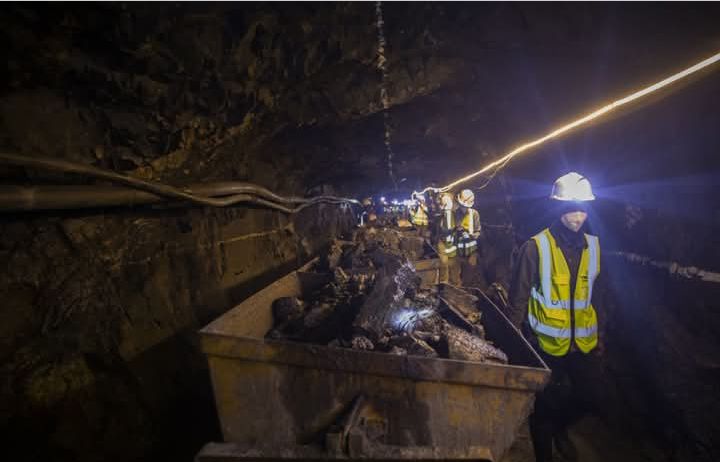
More than 100 people killed in Sudan gold mine collapse
NSANZIMANA SylverSep 17, 2026
World
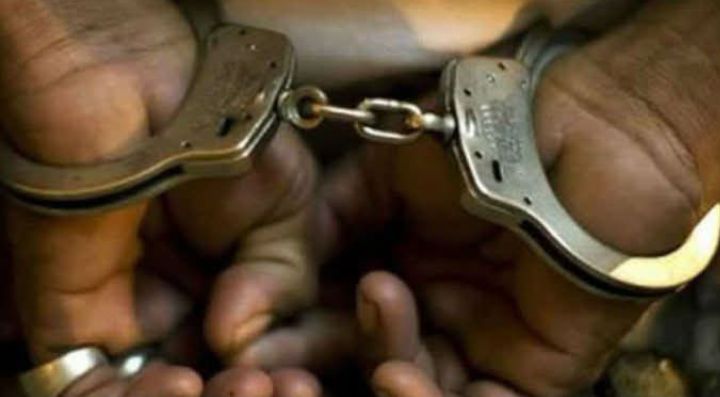
The prosecution has requested life imprisonment for two young men suspected of killing their father over a 40,000 Rwf fine.
NSANZIMANA SylverSep 13, 2026

World
30 people in DRC have died from the fire
NSANZIMANA SylverSep 11, 2026
World
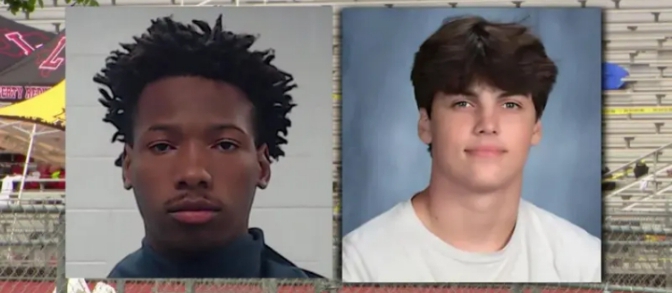
high school student has been convicted of stabbing a fellow student to death on the gymnasium floor of a Dallas, Texas, high school
NSANZIMANA SylverJun 10, 2026
World
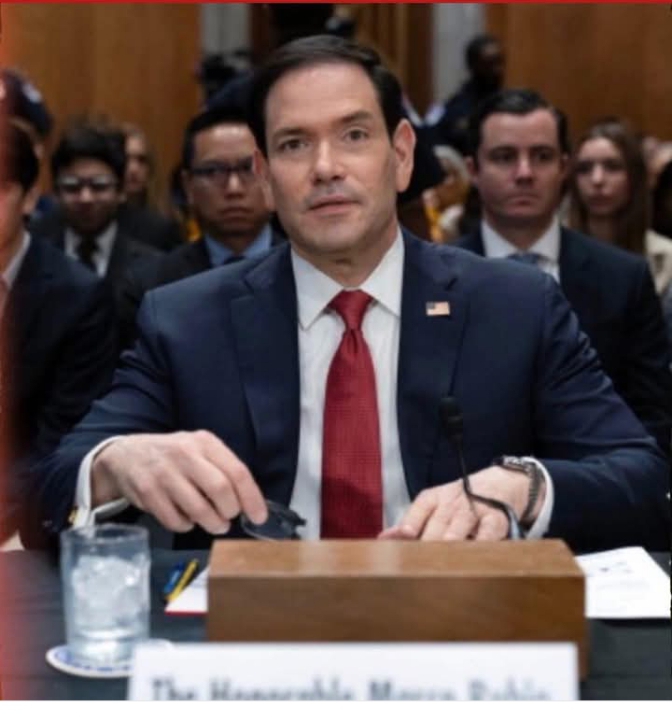
The United States once again said that Rwandan troops are in the DRC, and Foreign Minister Marco Rubio said that Rwanda must accelerate the agreement to withdraw its troops from the DRC.
NSANZIMANA SylverJun 5, 2026
Share articles
NSANZIMANA Sylver
Author